have amassed in the past three weeks. Firstly, after two years of confusion the Solar Cycle 24 Prediction Panel earlier this month has "reached a consensus decision on the prediction of the next solar cycle (Cycle 24). First, the panel has agreed that solar minimum occurred in December, 2008. This still qualifies as a prediction since the smoothed sunspot number is only valid through September, 2008. The panel has decided that the next solar cycle will be below average in intensity, with a maximum sunspot number of 90. Given the predicted date of solar minimum and the predicted maximum intensity, solar maximum is now expected to occur in May, 2013. Note, this is a consensus opinion, not a unanimous decision. A supermajority of the panel did agree to this prediction." More coverage (and occasional dissenting views, w/o actual arguments, though) here, here, here, here and here. Also why there won't be an ice age coming despite the low activity now, a flare causing some interest, if short-lived, and some media confusion about the situation documented. Plus no spots on May 11 (as also seen here) but faculae on May 10 and a prominence on May 3, a "stealth storm" from the Sun, a very detailled review of solar forcing of the terrestrial atmosphere, a well-prepared didactical video on the same topic - and details about the total solar eclipse of 2012 in Queensland, Australia.
Mutual events between the Jovian satellites have now begun, and observations have been many already - though mostly from Australia it seems: an Io/Europa event on May 17 (dito), Callisto/Io on May 16 (dito) and Europa/Ganymede on May 8 as a high resolution video (also discussed here) and lightcurves here and here. Less demanding are observation of satellite transits or the Neptune/Jupiter conjunction on May 27. Of Jupiter itself hi-res pictures of May 13, May 12 (with Ganymede resolved!), May 9, May 7 and earlier. • There are also pics of Saturn with a Rhea shadow transit (and the rings dimmed as the Sun hits them from the side - see also this comparision 2006 vs. 2009 or a May 23 pic), earlier pics, satellite mutual event on May 6. Finally a resolved Mars on May 17. • Scenic-wise here are Jupiter and Venus on the morning of May 24, the lunar crescent on May 23 (another hi-res view), the Moon/Jupiter/Venus chain on May 22 and the Moon/Venus/Jupiter triangle on May 21 (another one).
Meteor(ite)-wise there is now a prediction of a meteor storm in 2045, a "storm of slow fireballs" from the June Bootids this Russian astronomer - successful in the past - is forecasting. • A map of meteor stream radiants from a Japanese video network. • After the Canadian fireball last November hundreds of meteorites have now been collected but the biggest ones are still missing. A large chunck a farmer found has been donated to science. • More meteorite stories from Oman, Australia, the U.S. and Austria, also an expensive specimen and attempted fraud in Viet Nam. • Also more on the retrograde Apollo and three new NEO grants. • Comet-wise something has happened to 19P/Borrelly (earlier; see also here and earlier). • Plus C/2008 Q3 (Garrad) with a globular cluster, 107P recovered, a Lulin lightcurve, 33P/Daniel with a supernova, C/2006 W3 and comet origins questions.
In other news June 17 is now the launch date for LRO and LCROSS - which will impact the Moon on Oct. 8 if current plans hold. Amateur pictures of the lunar south pole are of interest in this context. • Ground-based observers tracking the satellites Herschel & Planck after their launch soon spotted several "UFOs" next to the Ariane's upper stage - by now it seems clear that there are only two unexplained bodies - and they are fading and changing orbits, both hinting at evaporating ice blocks. • An ISS flare in hi-res, an ISS trail with a flare, another one and another hi-res ISS of May 7. • Now amateur astronomers are actually hunting exoplanets with the transit method, not just following up professional discoveries. • An interview with A. Oksanen, a famous Finnish amateur, and hail to citizen astronomers (and other "citizen science"). • Hail also to Astrometry.net for everyone! • Finally a truly giant Milky Way Center mosaic (also hailed here), a lunar picture with 500 m/pxl resolution and a 5-hour timelapse movie recorded at the Winter Star Party.
Sunday, May 24, 2009


Sunday, May 3, 2009
Various Jupiter conjunctions, bright Venus main events in May
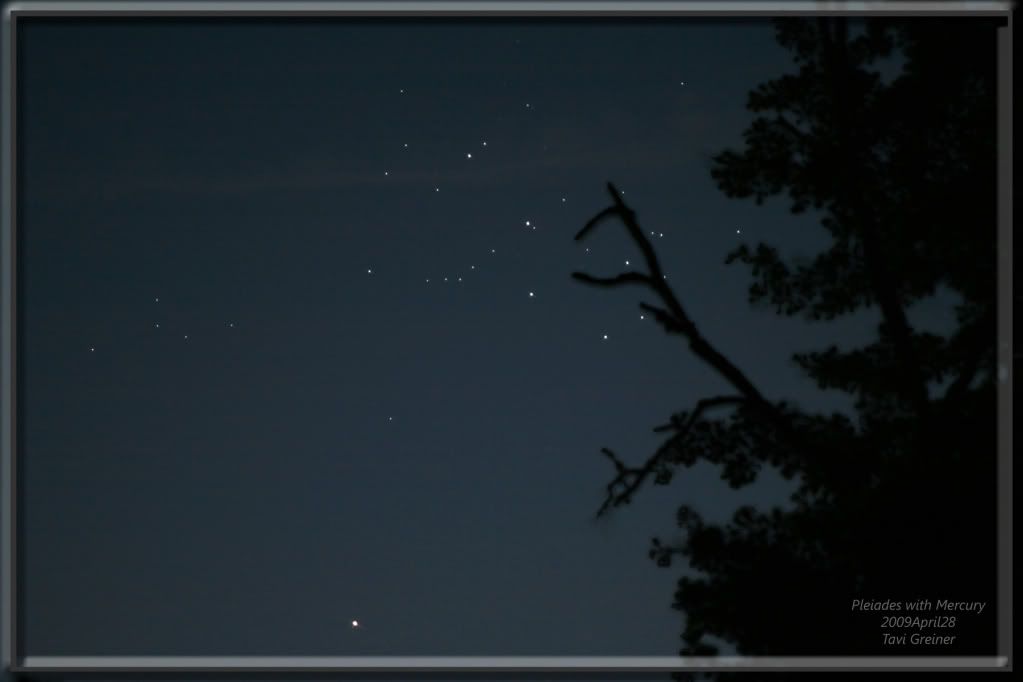
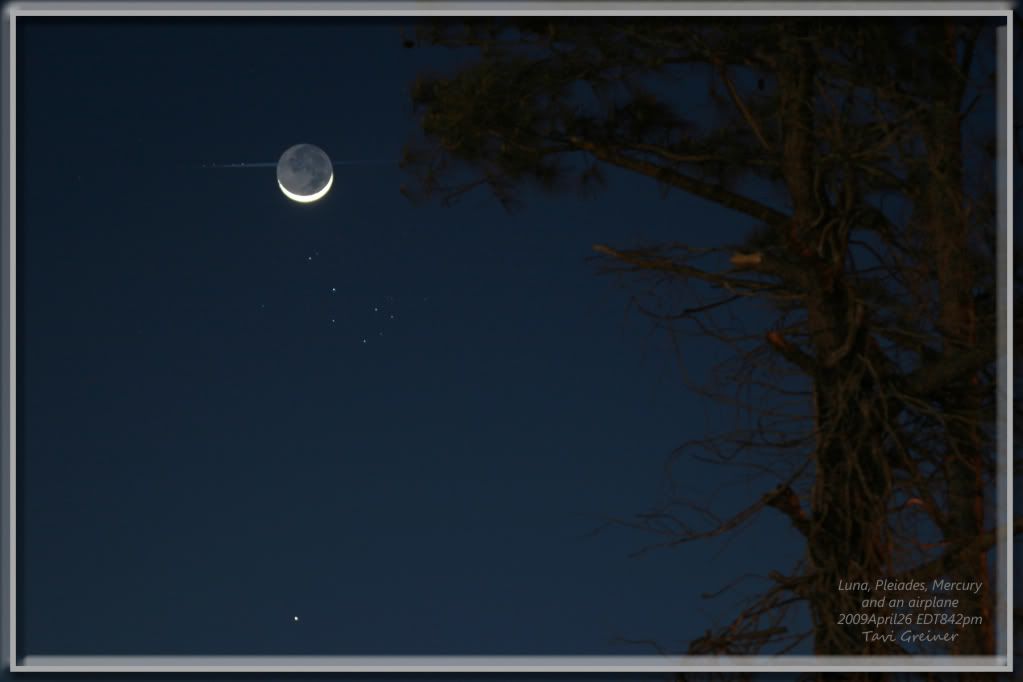
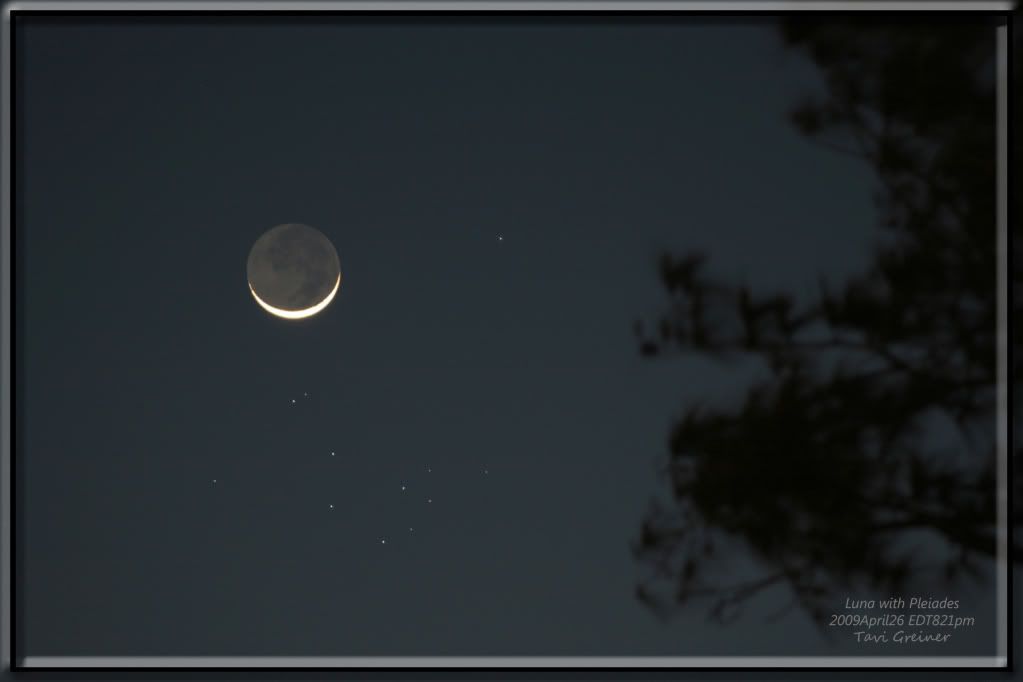
In the sky, that is - for space astronomy it promises to be a particularly exciting month with the launch of Atlantis to the HST on May 11 and the joint Ariane 5 launch of Herschel & Planck on May 14. Recent days brought a lot of action in the evening sky: Here are Mercury & the Pleiades, a lunar mosaic and another one from May 1, Mercury & the Pleiades (detail) and the Moon on April 28 and the Moon, the Pleiades and Mercury on April 26 in a stunning timelapse movie and still pictures (detail, detail, again, more, more, more, more and more) from the U.S. and the U.K., with simple tech. More pics of the constellation are also here and here. Mercury is now gone from the evening sky where now Saturn rules (great pictures galore from the Philippines and Saturn with Tethys and its shadow) while Venus - a stunning hi-res video of the lunar occultation on April 22, another report and another video - is now bright in the morning sky and Jupiter gets more interesting.
- May 2: Venus at greatest brilliance, shining at -4.5 mag.
- May 5: Peak of the Eta Aquarid meteor shower, nothing for Northerners
- May 17: Moon near Jupiter
- May 19: Jupiter only 5 arc minutes from Mu Cap
- May 21: The crescent Moon, Venus, and Mars make a little triangle in the east-southeast
- May 24/25: Chance to see a very slender crescent Moon in the evening in the Northern hemisphere
- May 27: Jupiter only 0.39 degrees from Neptune (which is only 1/12,000 as bright)


Sunday, April 26, 2009
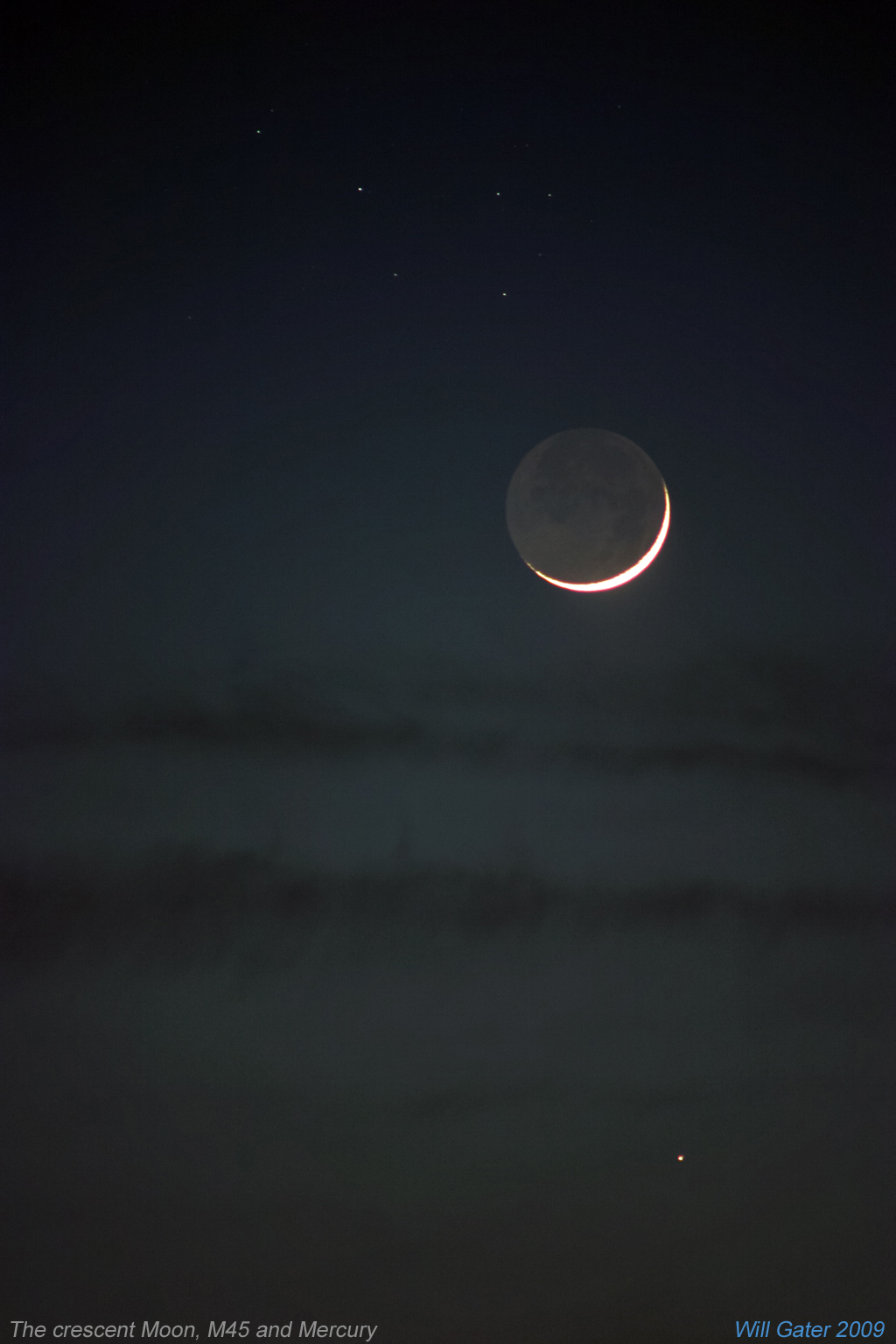
Mercury, Moon & Pleiades line up after Moon occulted Venus
A lot was (and is, as I type!) going on in the skies conjunction-wise. At this very moment the Pleiades, the Moon and Mercury have lined up in the dusk as pictures taken in the past hours from Europe like quite a number here and also this one and this one document (when dusk reaches the Americas, the Moon will already be above the Pleiades). Also earlier pictures of Mercury with the Pleiades on the 25th from the U.S. and on the 22nd, 21st and 19th as well as with resolved detail on the surface on the 18th. Before the Moon came round the Sun it occulted Venus for the Americas, be it grazing or fully as in fine picture series here and here or in this video. More pictures here and here and in collections here and here and here. Also the Moon in hi-res on the 23rd, with Venus on the 22nd from Germany and with Jupiter, Venus & Mars on the 20th from Oz. Plus Jupiter in hi-res on the 23rd and 16th + 17th, old Jupiters from Namibia - and the question why Uranus' rings are to hard to image with amateur gear.
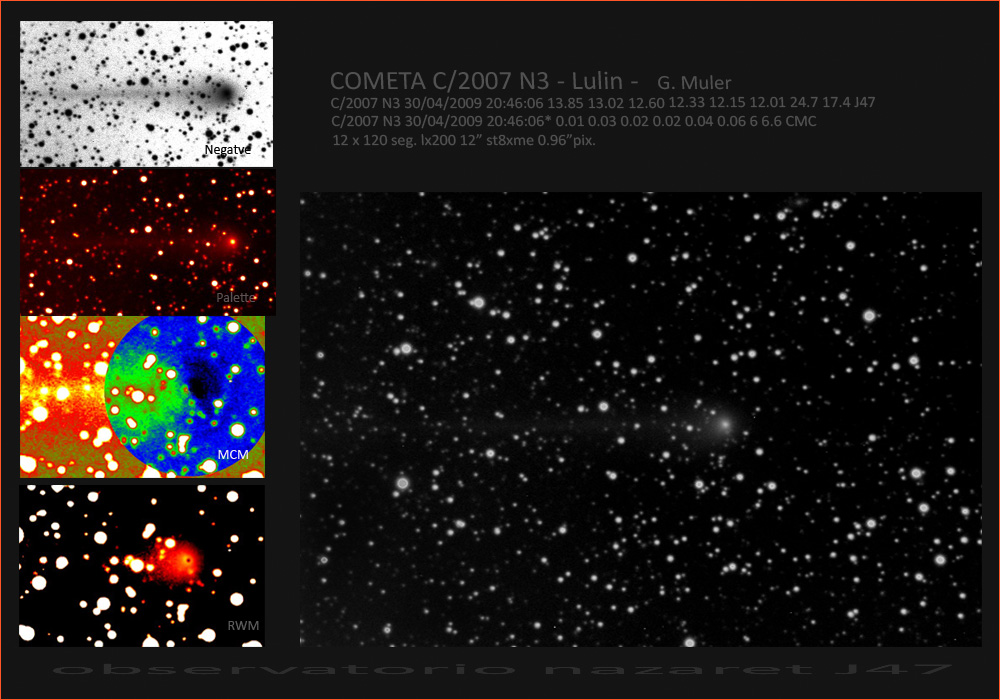
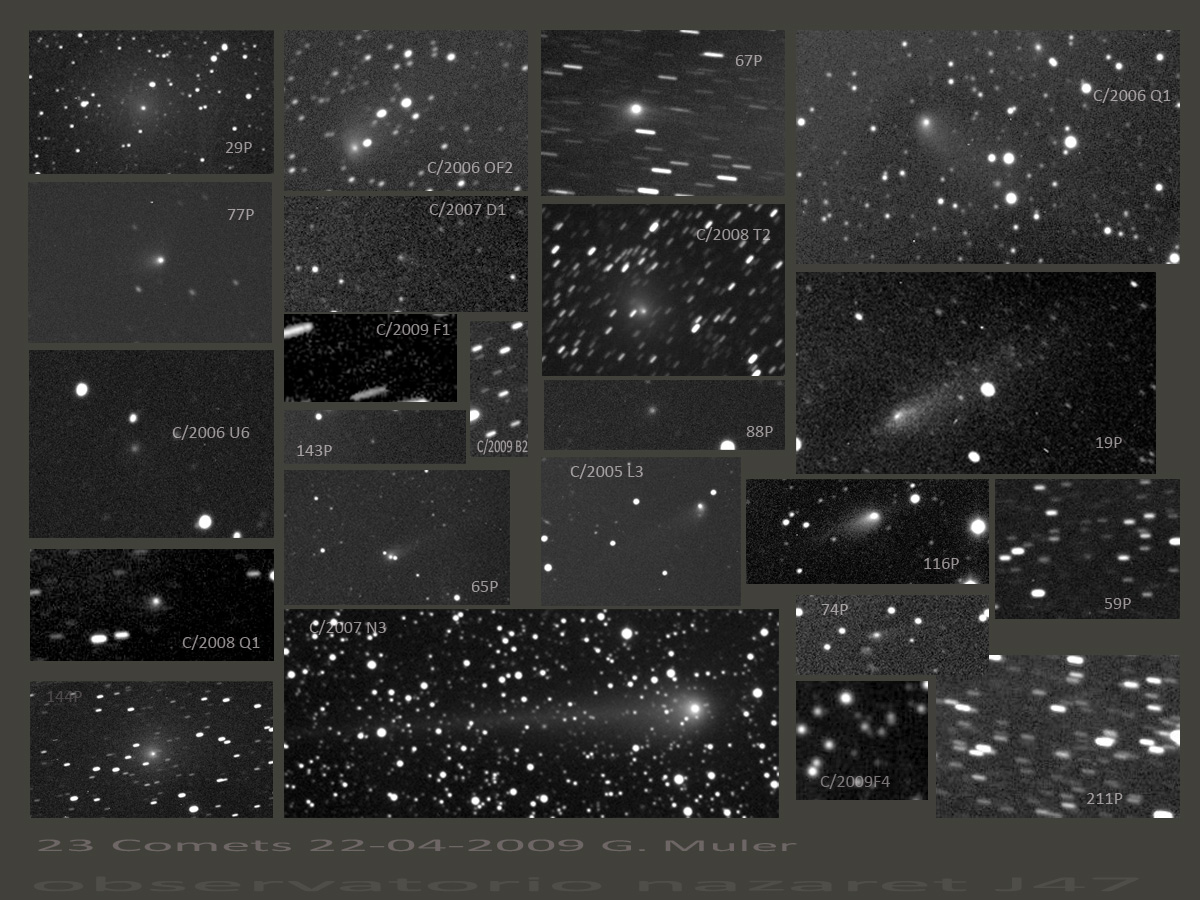
In other news avid cometographers managed to capture 23 comets in one night (of April 22) or 16 in another (of April 25)! Lulin is still around, e.g. on April 22, an old McNaught showed an interesting tail on April 19, and we have Borrelly on the 22nd, Chury on the 15th and Cardinal at M 36 on the 17th. • The Lyrids reached a maximum ZHR of around 15 - about typical - at the predicted time, though there's an other, later ZHR=30 peak in the automatic plot right now. There are now 11 new meteor showers in the Working List, most also confirmed by the IMO video network. Also of interest are fireballs on April 22 (not a Lyrid) and April 17 and a "mystery rock" which may or may not be a meteorite.
• There is increasing talk about the meaning of the ongoing deep minimum of solar activity (and the non-role of the Sun in Global Warming), also here, here, here, here, here, here, here and here (a video interview). • We have a better lightcurve of IY Uma, an eclipsing central star of a planetary nebula, the SN in NGC 4088 (and a nice picture of M 88). • Finally some light pollution calculations - and an overview of cameras in orbit looking at the Earth and delivering live image feeds.
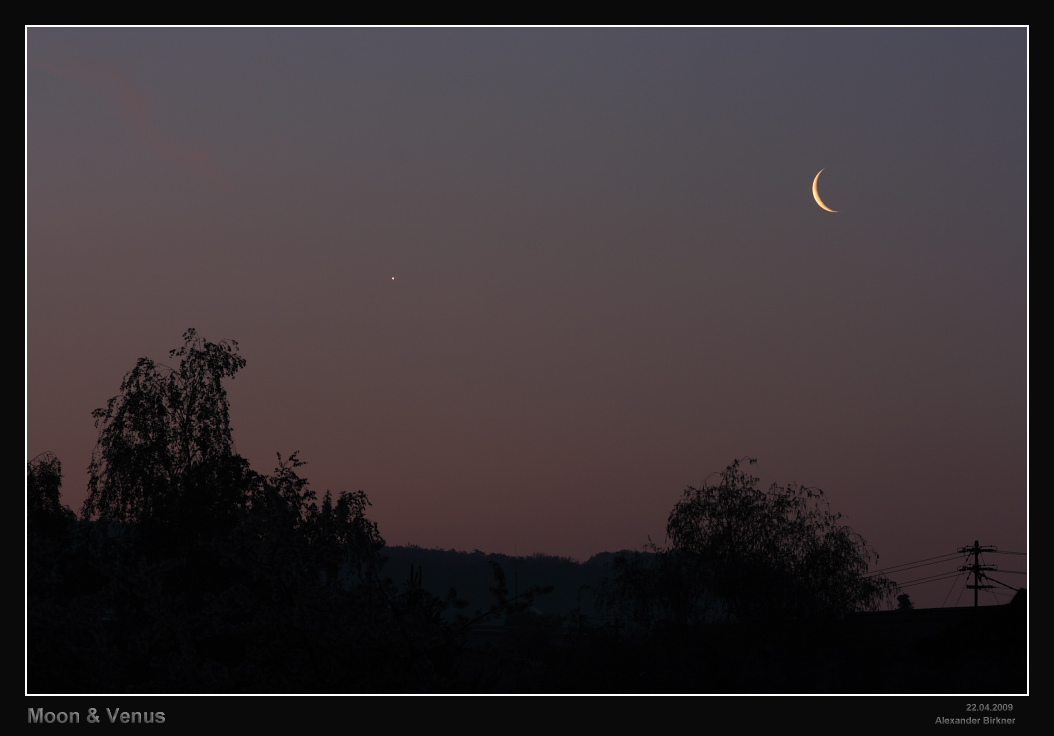
In other news avid cometographers managed to capture 23 comets in one night (of April 22) or 16 in another (of April 25)! Lulin is still around, e.g. on April 22, an old McNaught showed an interesting tail on April 19, and we have Borrelly on the 22nd, Chury on the 15th and Cardinal at M 36 on the 17th. • The Lyrids reached a maximum ZHR of around 15 - about typical - at the predicted time, though there's an other, later ZHR=30 peak in the automatic plot right now. There are now 11 new meteor showers in the Working List, most also confirmed by the IMO video network. Also of interest are fireballs on April 22 (not a Lyrid) and April 17 and a "mystery rock" which may or may not be a meteorite.

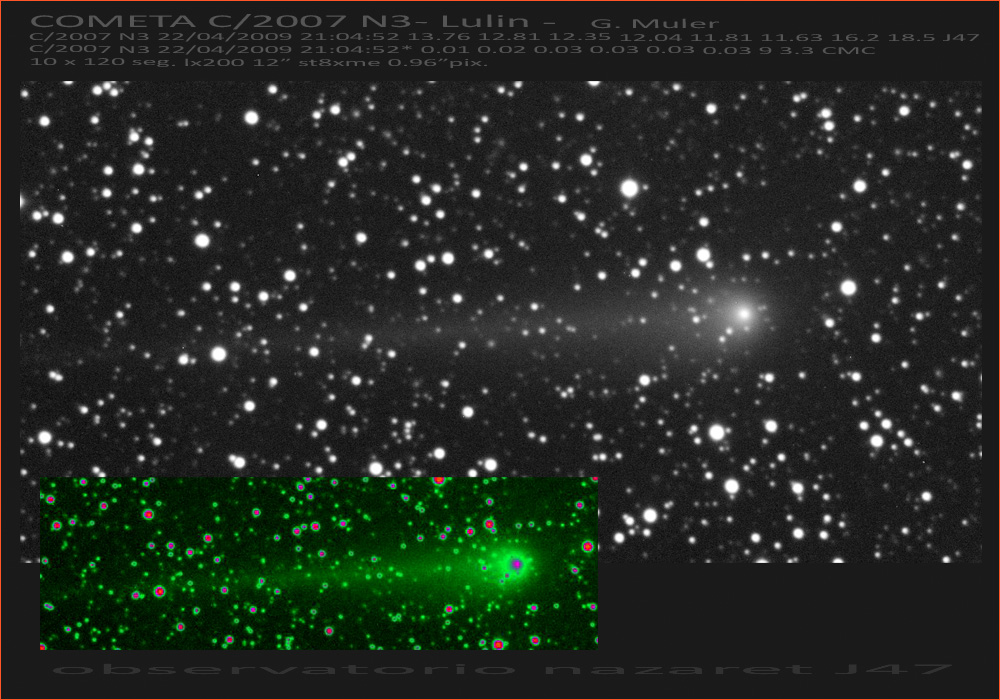
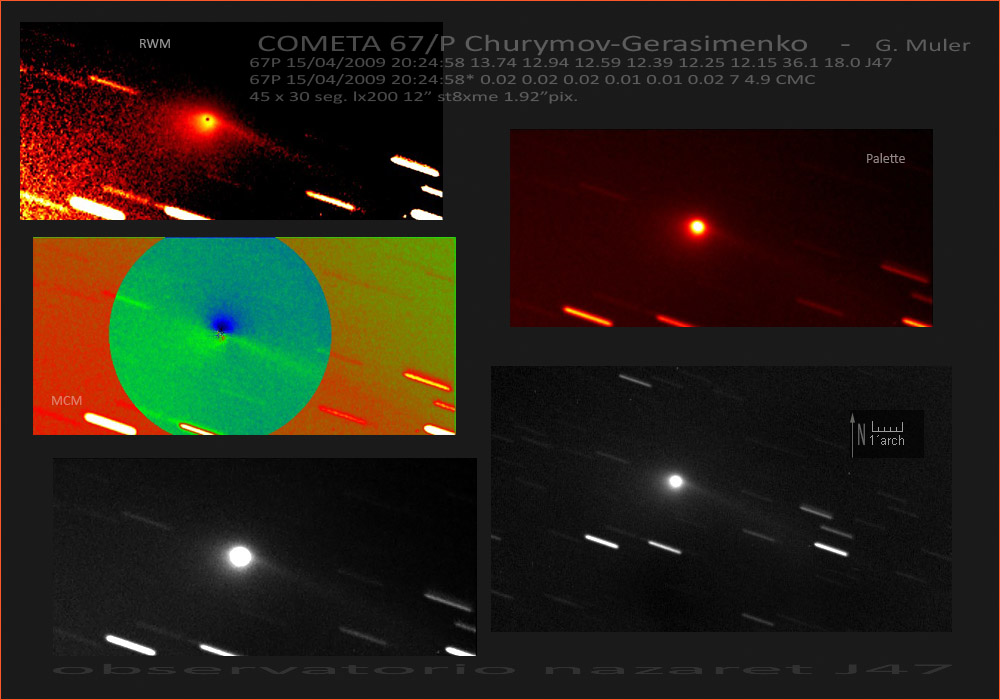

• There is increasing talk about the meaning of the ongoing deep minimum of solar activity (and the non-role of the Sun in Global Warming), also here, here, here, here, here, here, here and here (a video interview). • We have a better lightcurve of IY Uma, an eclipsing central star of a planetary nebula, the SN in NGC 4088 (and a nice picture of M 88). • Finally some light pollution calculations - and an overview of cameras in orbit looking at the Earth and delivering live image feeds.
Friday, April 17, 2009
Supernova with 13 to 14 mag. in a galaxy in Ursa Major!
It's rare to have a supernova brighter than 15th or 16th magnitude, so SN 2009dd in NGC 4088 in UMa which has about 13.5 mag. is something special. Here are one of the discovery images (the SN was found independently by two Italian teams), a picture taken soon thereafter by a German amateur (before the SN even had a number) and a nice picture of the galaxy itself. SN 2009dd has the typical spectrum of a young type II supernova, a few days after its explosion - which took place some time between April 2 and 4 as Japanese images (found later) show. • In other variable star news, an outburst of IY UMa is underway and a variable in a planetary nebula and a transit of exoplanet XO-1b have been observed.
• In the current deep solar minimum even coronal mass ejections are slower than typical (while their 3D structure is clearer now thanks to STEREO). Also a prominence video, an asteroid named after the last total solar eclipse or rather a prime viewing spot in China, and why there will be no tsunami following the next TSE. • An unusually deep wide-field sky image with 40 hours of exposure time is causing attention.
• A fine Jupiter from down-under, a nice Saturn with Rhea's shadow on the disk and a table of Titan transits - of which not a single one will be visible in Europe. • Did Venus' atmosphere show a closed ring during inferior conjunction or at least arcs all around as this picture may indicate? The Japanese archive has nothing similar, though nearly closed rings were detected 2 days before the last transit of Venus (the exact time and a somewhat later image). Meanwhile here is Venus on April 11.
• More bolides, in Austria on April 9 and in California on April 7. • The Field Museum has received a lot of meteorites while the largest one in Texas has been found and the videographer honored who taped the bolide, a call for searchers in Canada is out w.r.t. last year's meteorite rain - and sometimes dogs make good hunters for meteorites! • There is another comet discovery with the STEREO spacecraft by an amateur, though the comet is less interesting per se than Yi-SWAN (more stories here and here and pics of April 12 and April 9 and more). • Also Cardinal at M 38 (more), the recovery of an old LINEAR and 19P on April 12.
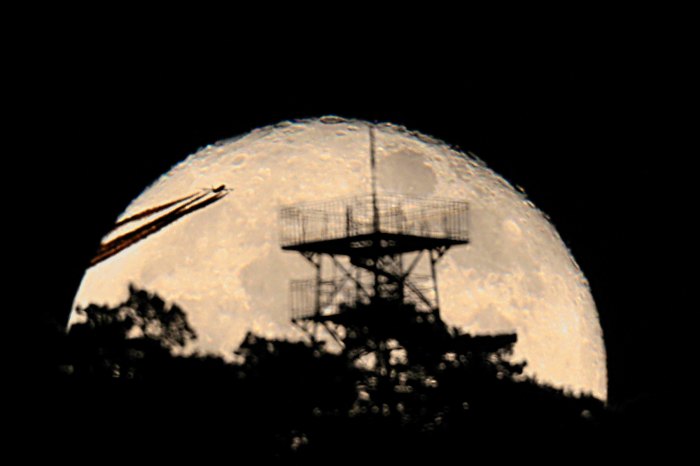
• The Lyrid meteors will peak on the morning of April 22 when - for some places - even more will happen when the Moon occults Venus. • Predictions of star occultations by the Moon can be greatly improved thanks to Kaguya and its laser altimeter. • A plane in front of the rising Moon (from this report), the ISS in front of the Sun (more) and the Moon in daylight, good pics from March and recent ones - and another claim of an astronaut 'detection' during an EVA. • Finally a pro-am session during a big conference in the U.K. (PDF pages 321-4), the LookUP! tool, good Aussie astrophotographers - and some stories (more, more and here) on the Birkat Hachamah non-astronomical but rare event. Of which now only a T-shirt is left ...

• In the current deep solar minimum even coronal mass ejections are slower than typical (while their 3D structure is clearer now thanks to STEREO). Also a prominence video, an asteroid named after the last total solar eclipse or rather a prime viewing spot in China, and why there will be no tsunami following the next TSE. • An unusually deep wide-field sky image with 40 hours of exposure time is causing attention.
• A fine Jupiter from down-under, a nice Saturn with Rhea's shadow on the disk and a table of Titan transits - of which not a single one will be visible in Europe. • Did Venus' atmosphere show a closed ring during inferior conjunction or at least arcs all around as this picture may indicate? The Japanese archive has nothing similar, though nearly closed rings were detected 2 days before the last transit of Venus (the exact time and a somewhat later image). Meanwhile here is Venus on April 11.
• More bolides, in Austria on April 9 and in California on April 7. • The Field Museum has received a lot of meteorites while the largest one in Texas has been found and the videographer honored who taped the bolide, a call for searchers in Canada is out w.r.t. last year's meteorite rain - and sometimes dogs make good hunters for meteorites! • There is another comet discovery with the STEREO spacecraft by an amateur, though the comet is less interesting per se than Yi-SWAN (more stories here and here and pics of April 12 and April 9 and more). • Also Cardinal at M 38 (more), the recovery of an old LINEAR and 19P on April 12.
• The Lyrid meteors will peak on the morning of April 22 when - for some places - even more will happen when the Moon occults Venus. • Predictions of star occultations by the Moon can be greatly improved thanks to Kaguya and its laser altimeter. • A plane in front of the rising Moon (from this report), the ISS in front of the Sun (more) and the Moon in daylight, good pics from March and recent ones - and another claim of an astronaut 'detection' during an EVA. • Finally a pro-am session during a big conference in the U.K. (PDF pages 321-4), the LookUP! tool, good Aussie astrophotographers - and some stories (more, more and here) on the Birkat Hachamah non-astronomical but rare event. Of which now only a T-shirt is left ...
Tuesday, April 7, 2009
Rare joint comet discovery by a spacecraft - and an amateur astronomer
The same says it all: C/2009 F6 (Yi-SWAN), pretty bright around 8th mag., was found simultaneously by a Korean amateur astronomer and the SWAN instrument on the SOHO spacecraft (which reported it first, but Yi's message came in before the first orbit was published, thus the double name). "On Apr. 4, R. D. Matson informed the Central Bureau that he had found a possible comet on ultraviolet SWAN images posted at the SOHO website," the story began on April 6 in IAUC #9034: " Numerous CCD astrometrists and one visual observer have reported confirmation of the object as a comet". And in #9035 we learn today that H. Yamaoka, Kyushu University, informs the Central Bureau that he received an e-mailed report on March 28 of the discovery by Dae-am Yi (Yeongwol-kun, Gangwon-do, Korea) of a possible comet with a noticeable greenish coma of diameter about 1' [...] on two 60-s CCD exposures taken about 80 seconds apart with a Canon 5D camera and a 90-mm f/2.8 camera lens. Orbital calculations suggest that this object is identical with C/2009 F6." Visual estimates put Yi-SWAN at 8.5 mag. right now, and the orbit suggests that this is about as bright as this comet will get; an ion tail has been detected. Another detection on March 25 was only made after the discovery announcement, thus it doesn't count.
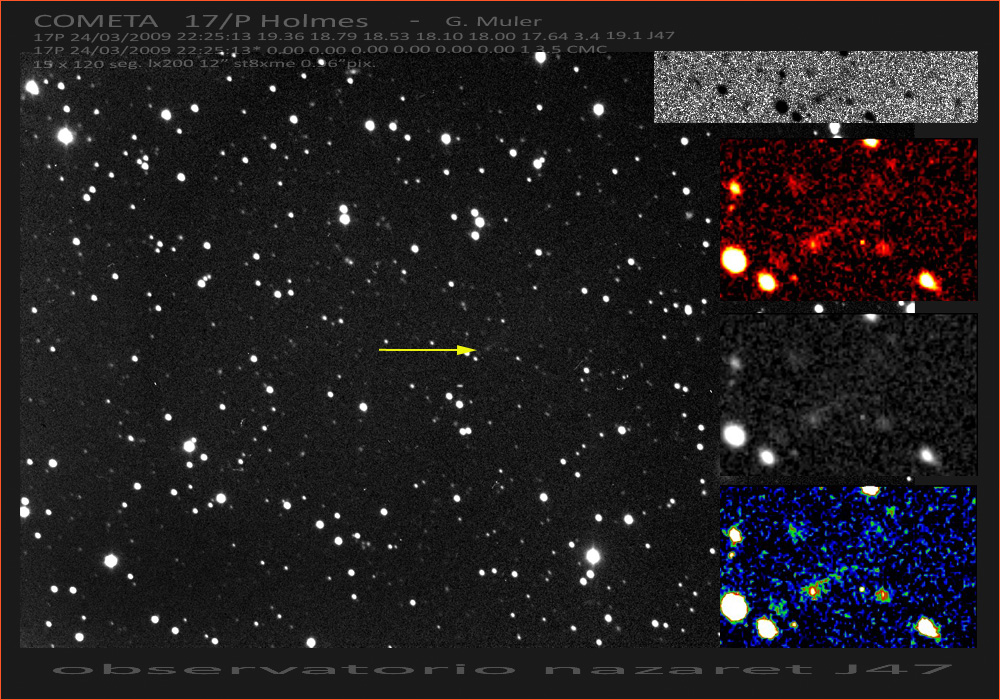
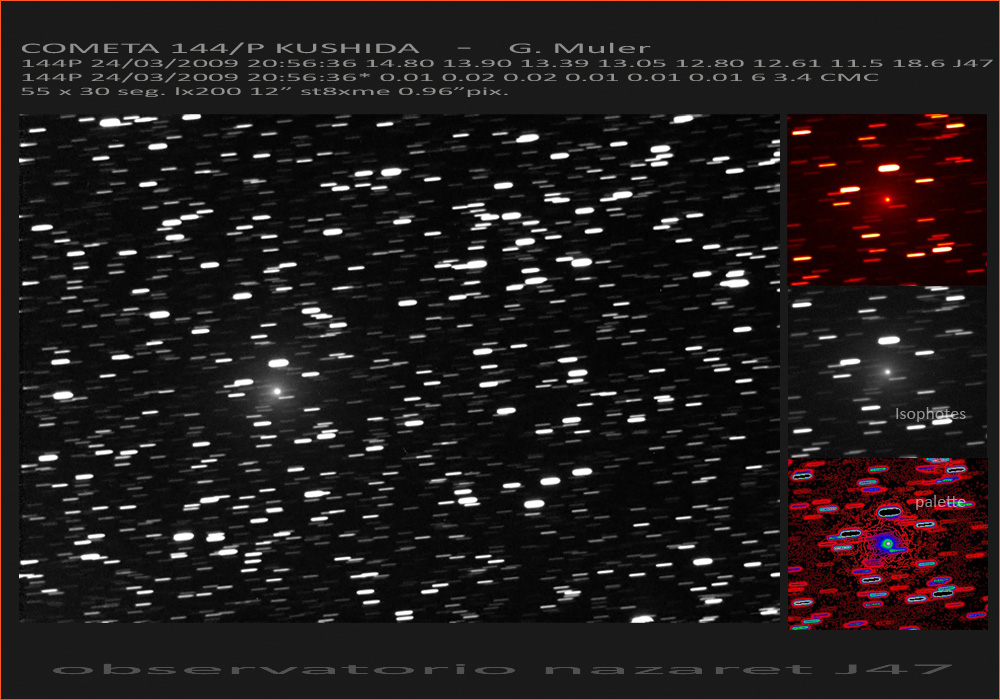
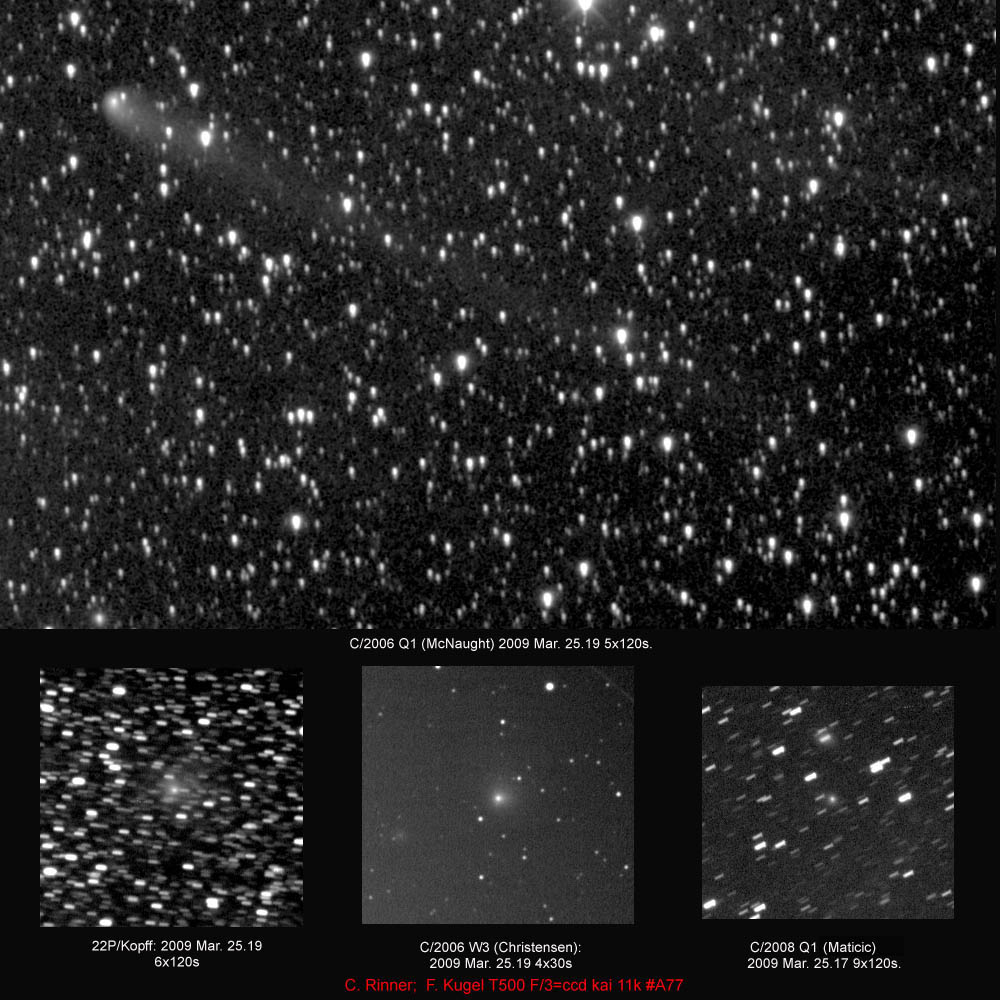
In other small bodies news we have scientific papers about Spitzer observations of 67P (a current picture and more) and ground-based data on 17P/Holmes' outburst (also a current view), interesting developments of 19P, the recovery of P/2001 MD7, an old - but nice - picture of Kushida in the Hyades (a current picture and more) and Lulin on March 28 and March 24 (another picture) as well as its changes. Plus 4 comets on March 25. • In the Kuiper Belt, the moon of Orcus has been named Vanth; more interesting than the name is the fact that over 1000 suggestions had come in after the discoverer asked for suggestions. • There was another big bolide in Northern Ireland (more, more and more coverage) and one in Virginia which caused a lot of confusion at first (more, more, more, more, more [earlier], more, more [earlier], more and more). • The recovery of the (only one!) meteorite from the baltic bolide is recounted by the discoverer himself who also explained at a German meteor meeting how he found the shattered specimen in the grass and what it was like. At the same meeting a microbarometric signal from the exploding bolide was also shown, recorded with a machine like this - which is enormously sensitive! Yet another "dimension" of amateur astronomy has thus opened up.
In other news The solar activity remains low, making the current minimum rather deep, with no end in sight. • By the way, some STEREO images from the time of the last total solar eclipse. • Here is the slender crescent of Venus on April 5, April 2, March 28 and March 26 - and the inferior conjunction was also used by radio hams to get echoes from the surface with a big dish in Bochum (as a demonstration experiment for a possible future use of the latter in controlling an amateur mars spacecraft, no kidding). • Here are Saturn & six moons and the small storm on March 21. • And here is Jupiter with Io's shadow.
• A Pleiades occultation by the Moon was observed well in India as these, these, these and these pictures show. • Plus the very slender crescent on March 27. • There may be atmospheric effects from the eruption of Mt. Redoubt which has been quite productive and impressive to watch. • Here is the ISS in front of the Moon and well resolved; more nice pictures here, here and here - but a space-walking astronaut was not caught. • A funny software determining "your star" at any given time. • And a paper, summary and story about an ingenious student experiment to get the distance to the Moon from old Apollo recordings! • It's now DST also in Europe - and the controversy continues. • Finally some April highlights in the sky (more, more, more, more and more stories):

In other small bodies news we have scientific papers about Spitzer observations of 67P (a current picture and more) and ground-based data on 17P/Holmes' outburst (also a current view), interesting developments of 19P, the recovery of P/2001 MD7, an old - but nice - picture of Kushida in the Hyades (a current picture and more) and Lulin on March 28 and March 24 (another picture) as well as its changes. Plus 4 comets on March 25. • In the Kuiper Belt, the moon of Orcus has been named Vanth; more interesting than the name is the fact that over 1000 suggestions had come in after the discoverer asked for suggestions. • There was another big bolide in Northern Ireland (more, more and more coverage) and one in Virginia which caused a lot of confusion at first (more, more, more, more, more [earlier], more, more [earlier], more and more). • The recovery of the (only one!) meteorite from the baltic bolide is recounted by the discoverer himself who also explained at a German meteor meeting how he found the shattered specimen in the grass and what it was like. At the same meeting a microbarometric signal from the exploding bolide was also shown, recorded with a machine like this - which is enormously sensitive! Yet another "dimension" of amateur astronomy has thus opened up.
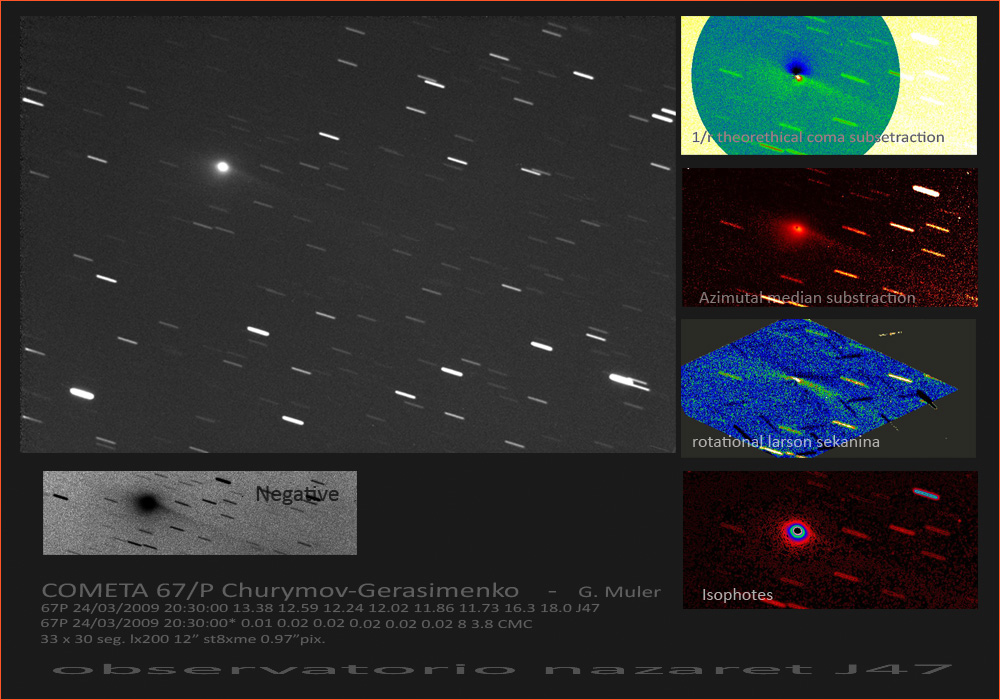

In other news The solar activity remains low, making the current minimum rather deep, with no end in sight. • By the way, some STEREO images from the time of the last total solar eclipse. • Here is the slender crescent of Venus on April 5, April 2, March 28 and March 26 - and the inferior conjunction was also used by radio hams to get echoes from the surface with a big dish in Bochum (as a demonstration experiment for a possible future use of the latter in controlling an amateur mars spacecraft, no kidding). • Here are Saturn & six moons and the small storm on March 21. • And here is Jupiter with Io's shadow.

• A Pleiades occultation by the Moon was observed well in India as these, these, these and these pictures show. • Plus the very slender crescent on March 27. • There may be atmospheric effects from the eruption of Mt. Redoubt which has been quite productive and impressive to watch. • Here is the ISS in front of the Moon and well resolved; more nice pictures here, here and here - but a space-walking astronaut was not caught. • A funny software determining "your star" at any given time. • And a paper, summary and story about an ingenious student experiment to get the distance to the Moon from old Apollo recordings! • It's now DST also in Europe - and the controversy continues. • Finally some April highlights in the sky (more, more, more, more and more stories):
- April 8: Birkat Ha-Hammah or "Blessing of the Sun", a rare 'phenomenon' in some branches of Judaism where the alleged return of the Sun to its celestial position at creation time is marked only every 28 years.
- About April 9 til May 2: Best evening apparition of Mercury, now almost fully illuminated, with the half phase and greatest elongation on April 22 and 26, resp.
- April 15: Very close conjunction of Mars and Uranus, low over the Eastern horizon.
- April 21/22: In the morning peak of the Lyrid meteors.
- April 22: The Moon occults Venus for most of North America.
- April 24: "The position of the Sun and the shape of the Earth" - a worldwide didactical experiment employing elementary techniques. Join the party!
- April 26: Line-up of the lunar crescent, the Pleiades and Mercury in the evening.
Tuesday, March 24, 2009
Inferior conjunction of Venus - superior pictures of its slender crescent
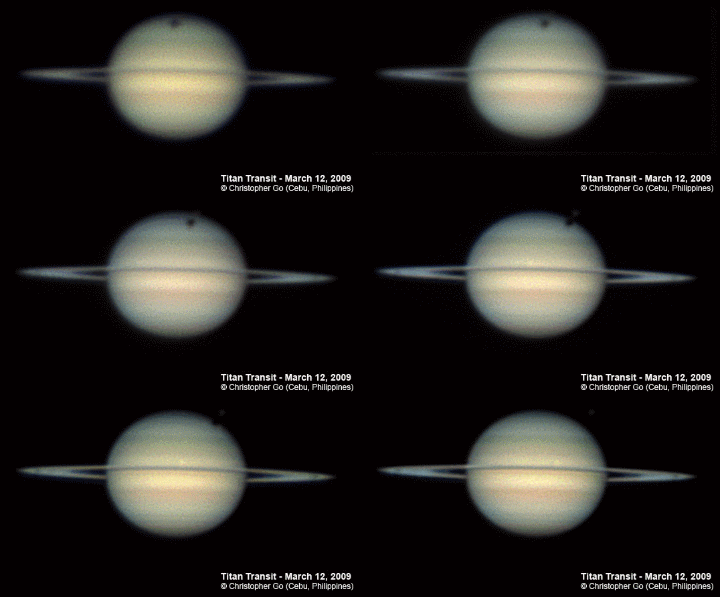
With is inferior conjunction just three days away, Venus has been at its best in recent weeks: presenting a continuously growing slender crescent while racing towards the Sun as seen from Earth. Excellent - or unusual - photos of March 23, March 22, March 21 (more, more and more), March 20 (more), March 19, March 18 and March 17. The crescent could also be imaged without a telescope using simple compact cameras. Now the challenge is to spot Venus as the morning and evening star on the same day as it passes far north of the Sun. • Meanwhile Jupiter has emerged from the Sun: pictures from Oz from March 23 (more), March 21 and March 19. • On Saturn, Hubble on 24 Feb. observed four moons in front of the disk (also here and here, plus explanation how it was animated and why the pics were taken at all; more coverage here, here, here, here and here). Also another transit of Titan and its shadow on March 12, the planet in general and well images on March 21 (very colorful), March 20 and March 16.
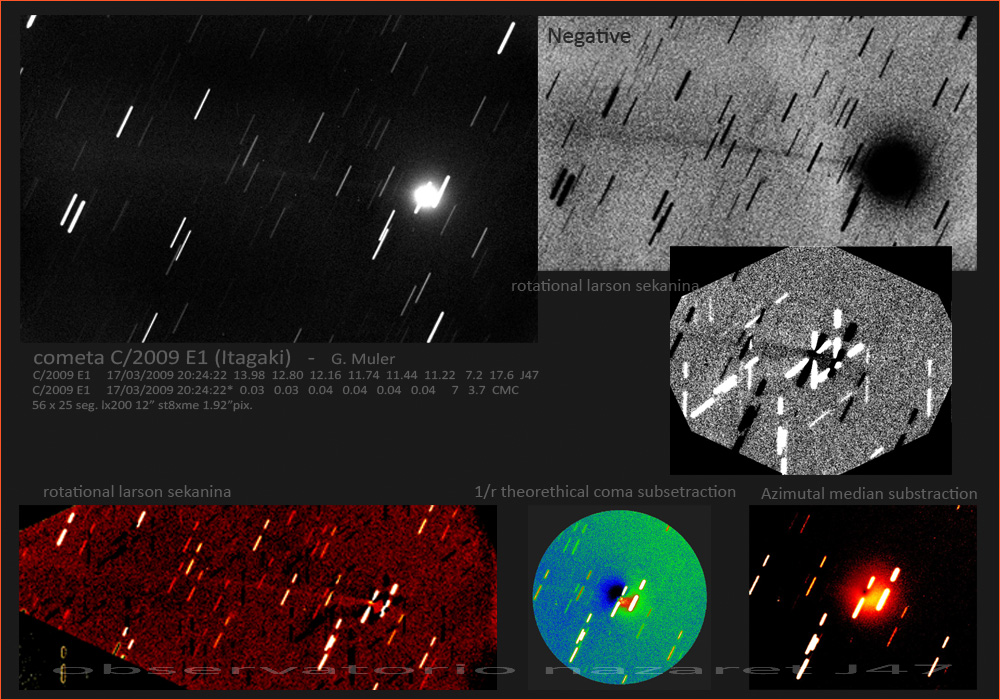
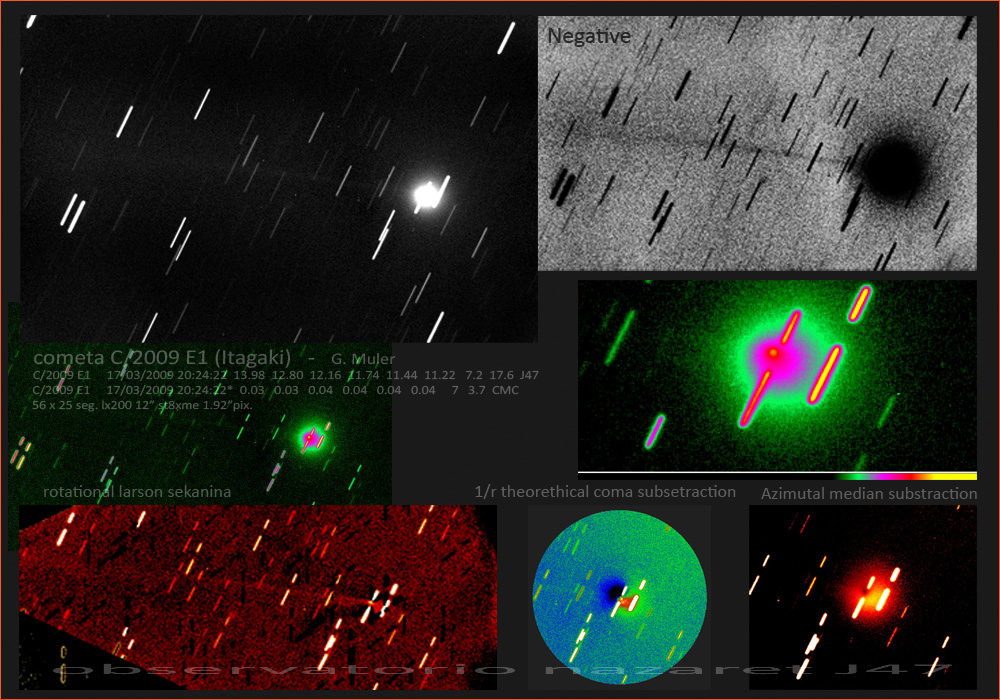
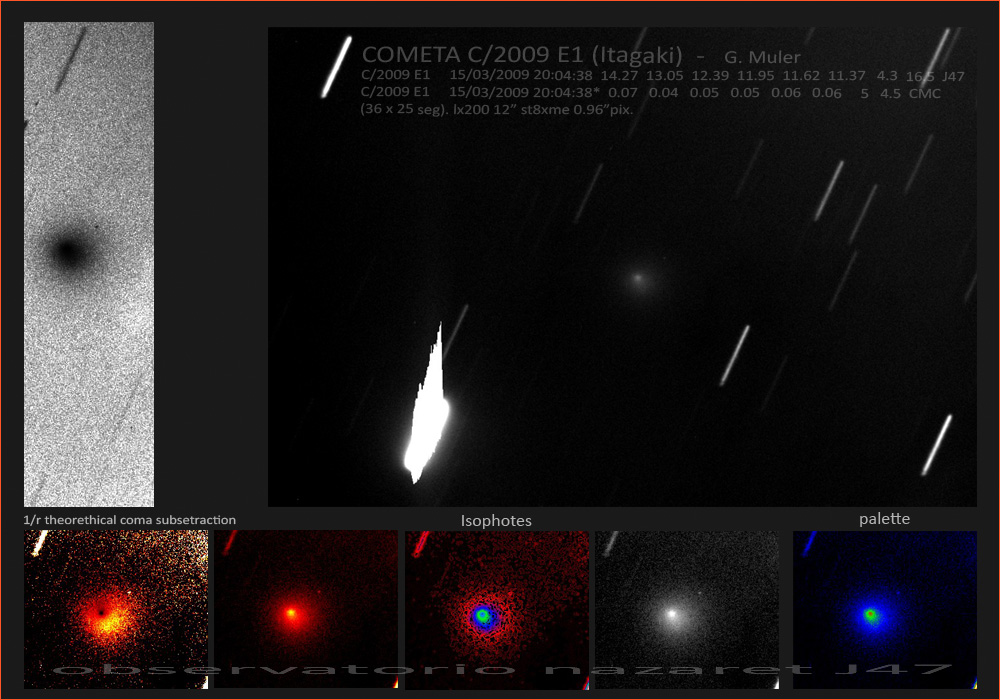
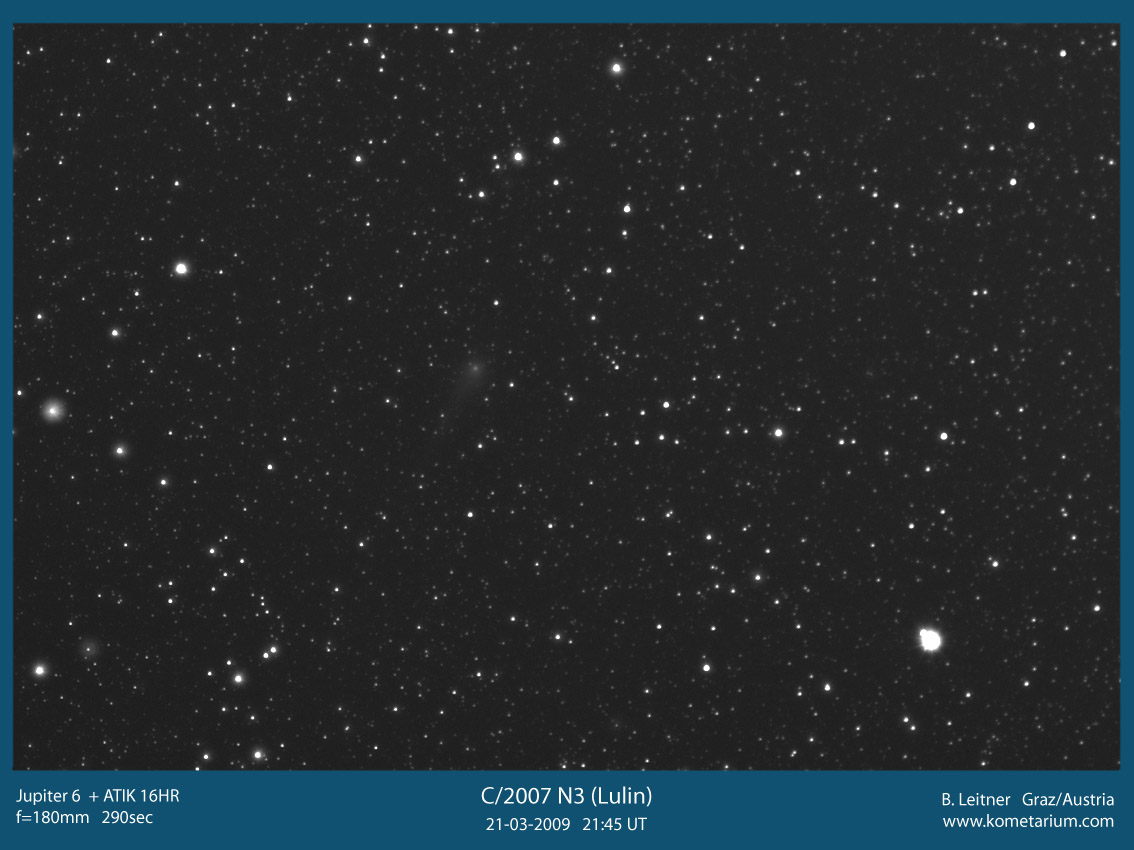
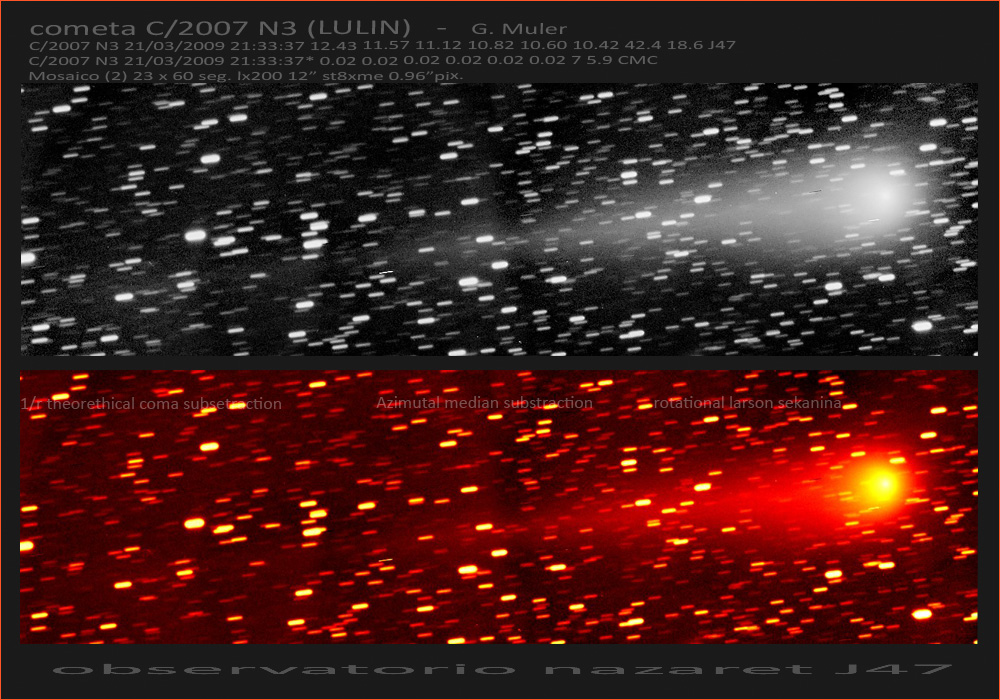
In cometary and other small-body news comet 19P is showing a weird coma/tail as pictures of March 20 and March 21 show. • New comet Itagaki in a March 21 animation and on March 17 (more and more), March 16, March 15 and in picture collections here and here. • Comet Lulin's light curve and observations of March 21 (more, more and more, March 20 (more, March 19, March 17 (more), March 16 (more, more and more) and March 15 plus in a March 3 movie. • Comet 67P with a little tail (earlier), 116P also with a tail - and multi-comet panels from the same night, showing 14 comets on March 17 and 10 comets on March 18 and March 20. Plus a Kreutz crash on March 21. • The disk of dwarf planet Ceres has been resolved by two amateurs, C. Go on March 3-9 and B. Gährken on March 21. • More on the Baltic bolide meteorite recovery here, here and here and in German TV news here (5½ min) and here (8 min). • Non-impacting visitors were 2009 DO111 (more, more and more) and 2009 FH (more, more, more, more and more) while the small size of 2009 DD45 was hardly reported.
In other news the role of amateur variable star observations for professional astronomy was emphasized once more. • We also have an introduction into astronomy with binoculars and an urban observers survival guide in three parts. • Aurorae, meanwhile, can also be "observed" via webcast. • On March 16 a little coronal mass ejection was observed on the otherwise inactive Sun. • Here is an impressive picture of a Capetown fire with Sco overhead (more on that fire). • Einstein@home is entering a new phase, hunting for rare pulsar binaries. • The launch of Discovery to mission STS-119 happened at just the right dusk time for marvellous light effects: For sampling of amateur pictures of the launch and plume in sunlight see the green box in Cosmic Mirror #326 - and the plume also shows up brilliantly on the SRB camera videos (e.g. at 4:33). Just before Discovery docked to the ISS, the pair could be photographed from the NL and near Bonn. Later one amateur may have imaged an astronaut during the March 21 EVA; other hi-res ISS pics after truss S6 installation here and here. In the sky the ISS is now very bright and easy to photograph. • Finally some other satellite trails: more flashes from Iridium 33 wreckage, double Iridium flares - and Kepler passing Saturn.
In cometary and other small-body news comet 19P is showing a weird coma/tail as pictures of March 20 and March 21 show. • New comet Itagaki in a March 21 animation and on March 17 (more and more), March 16, March 15 and in picture collections here and here. • Comet Lulin's light curve and observations of March 21 (more, more and more, March 20 (more, March 19, March 17 (more), March 16 (more, more and more) and March 15 plus in a March 3 movie. • Comet 67P with a little tail (earlier), 116P also with a tail - and multi-comet panels from the same night, showing 14 comets on March 17 and 10 comets on March 18 and March 20. Plus a Kreutz crash on March 21. • The disk of dwarf planet Ceres has been resolved by two amateurs, C. Go on March 3-9 and B. Gährken on March 21. • More on the Baltic bolide meteorite recovery here, here and here and in German TV news here (5½ min) and here (8 min). • Non-impacting visitors were 2009 DO111 (more, more and more) and 2009 FH (more, more, more, more and more) while the small size of 2009 DD45 was hardly reported.



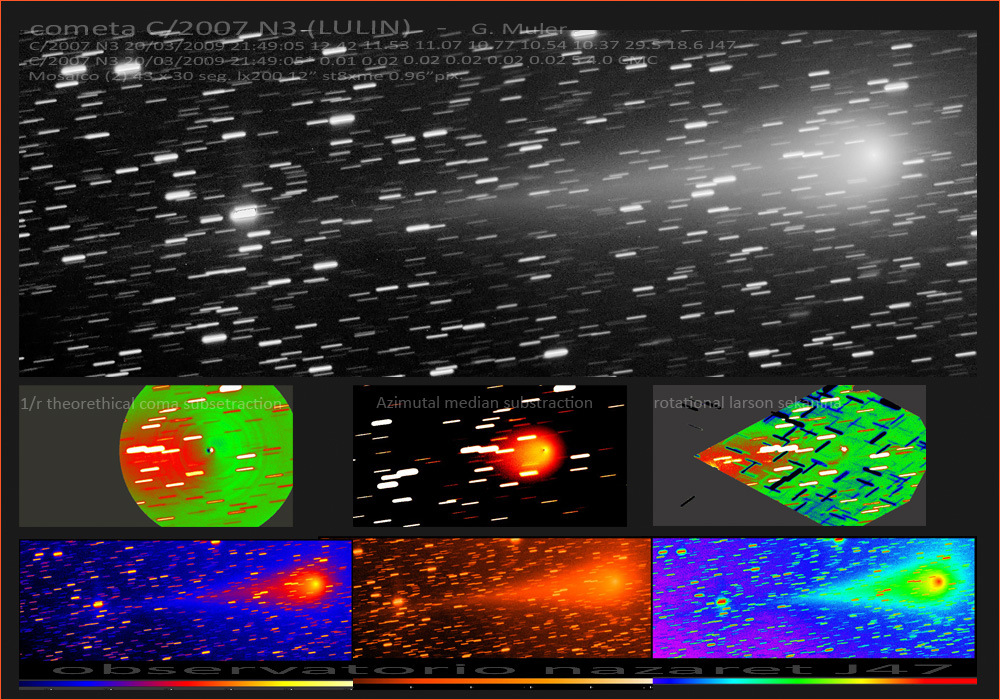
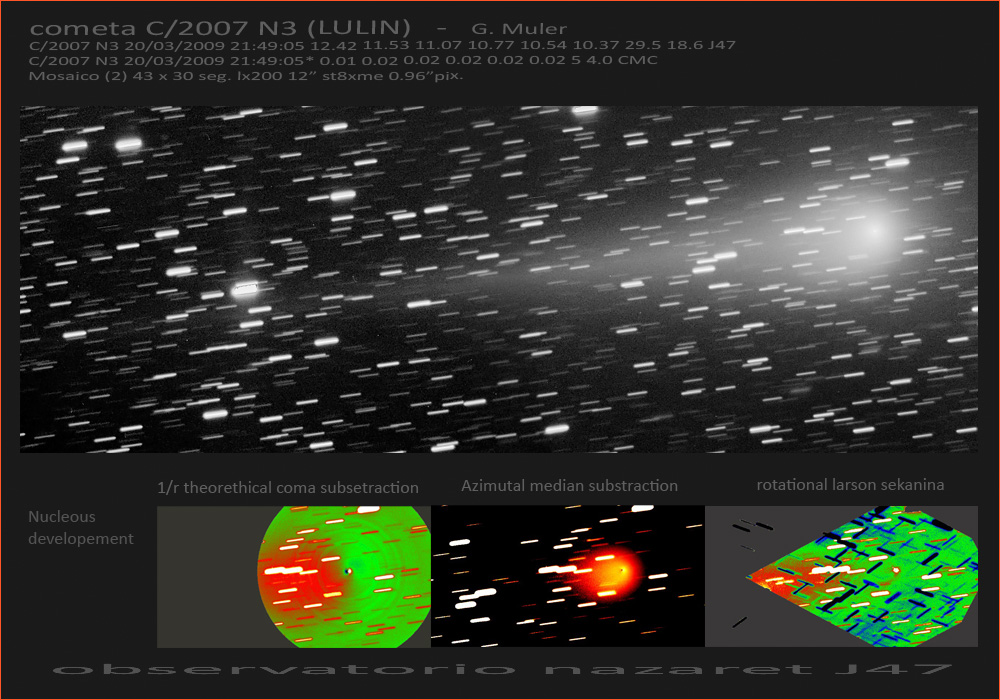
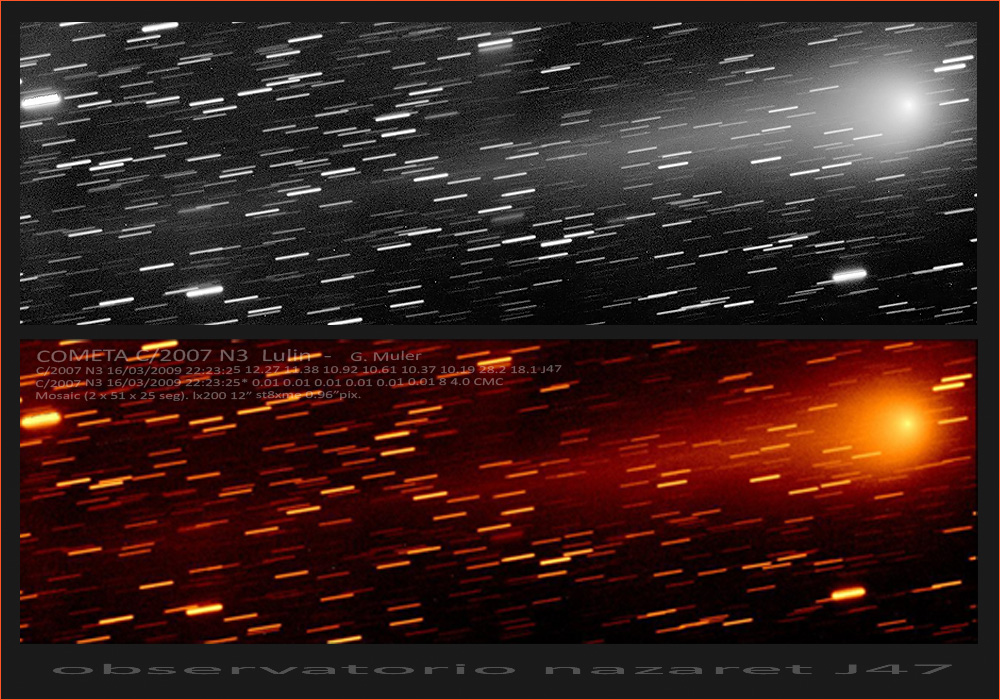

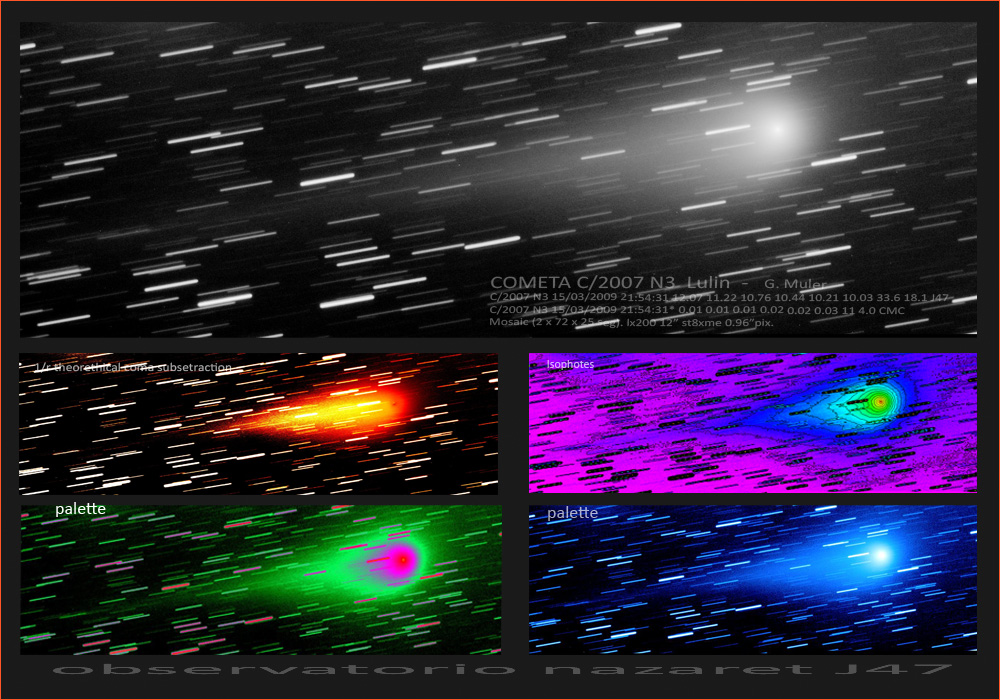
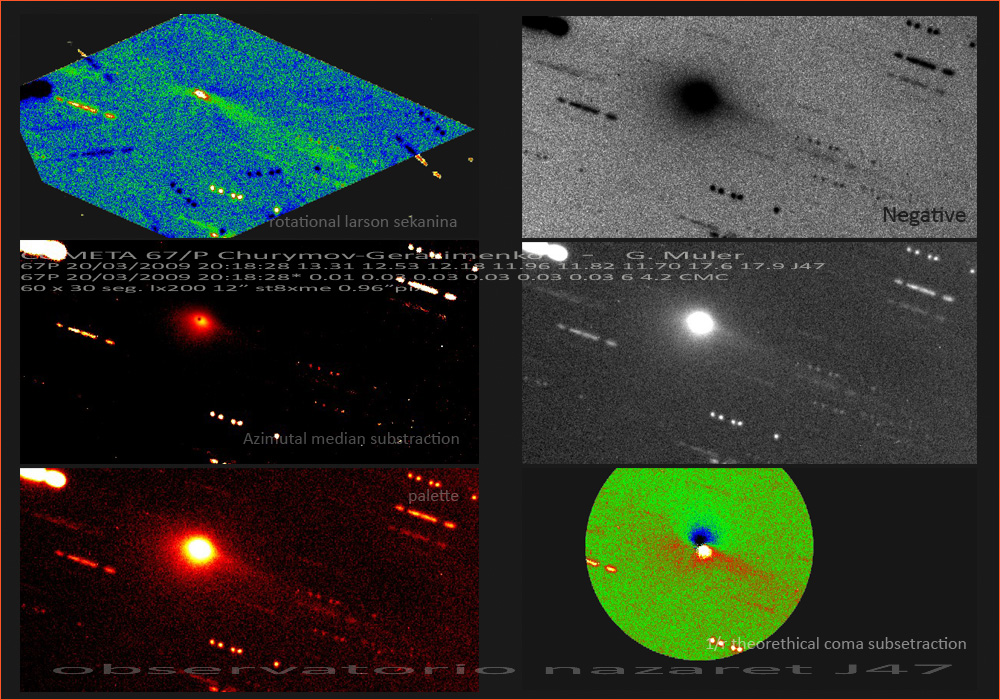
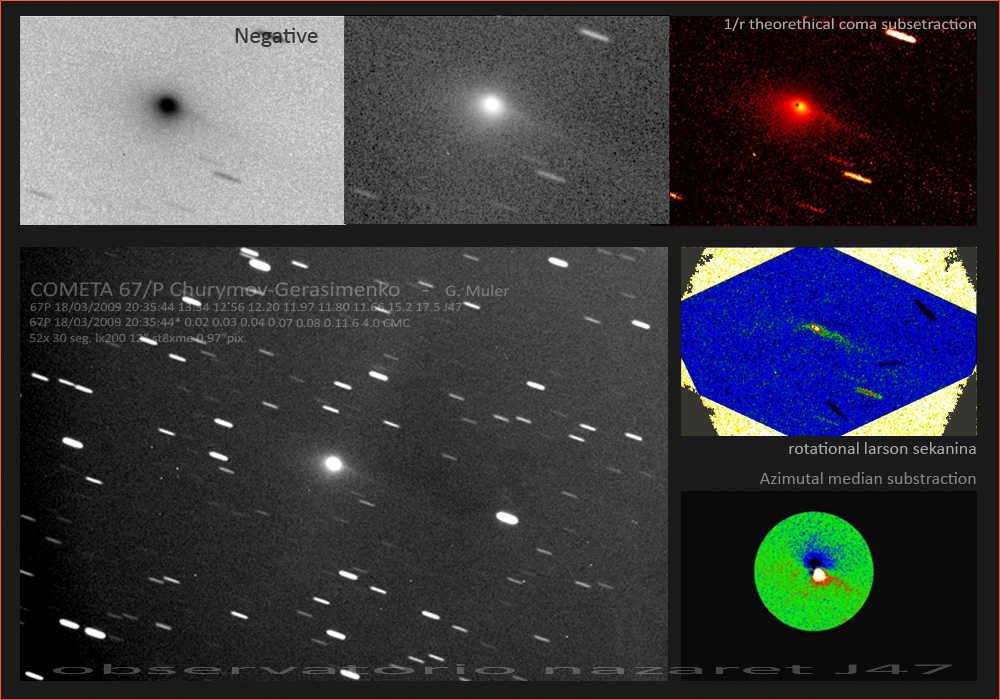
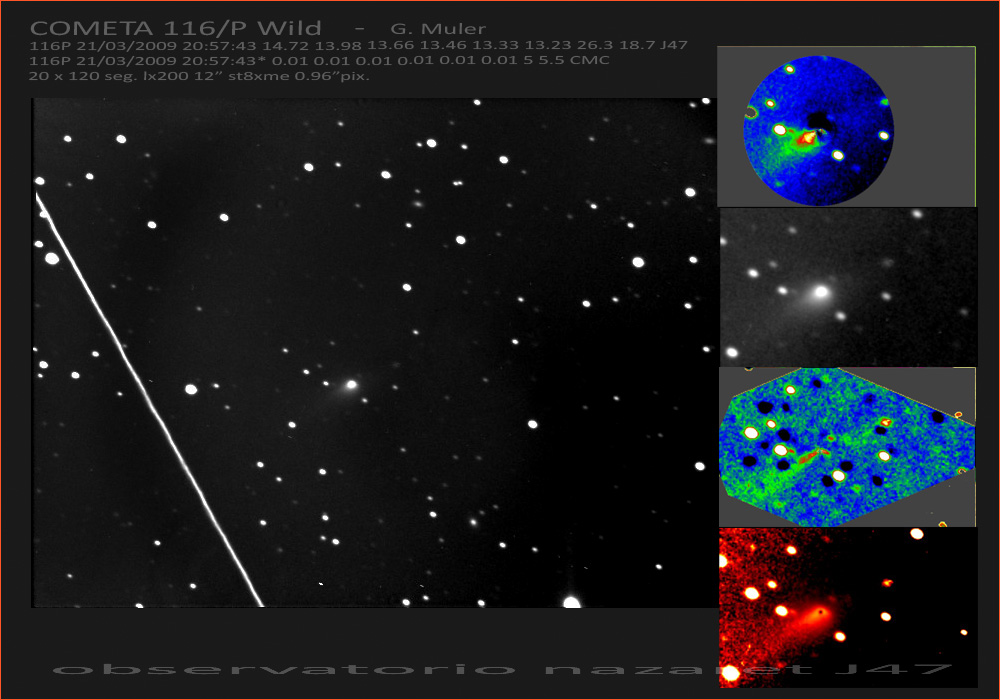


In other news the role of amateur variable star observations for professional astronomy was emphasized once more. • We also have an introduction into astronomy with binoculars and an urban observers survival guide in three parts. • Aurorae, meanwhile, can also be "observed" via webcast. • On March 16 a little coronal mass ejection was observed on the otherwise inactive Sun. • Here is an impressive picture of a Capetown fire with Sco overhead (more on that fire). • Einstein@home is entering a new phase, hunting for rare pulsar binaries. • The launch of Discovery to mission STS-119 happened at just the right dusk time for marvellous light effects: For sampling of amateur pictures of the launch and plume in sunlight see the green box in Cosmic Mirror #326 - and the plume also shows up brilliantly on the SRB camera videos (e.g. at 4:33). Just before Discovery docked to the ISS, the pair could be photographed from the NL and near Bonn. Later one amateur may have imaged an astronaut during the March 21 EVA; other hi-res ISS pics after truss S6 installation here and here. In the sky the ISS is now very bright and easy to photograph. • Finally some other satellite trails: more flashes from Iridium 33 wreckage, double Iridium flares - and Kepler passing Saturn.

Sunday, March 15, 2009
New Japanese amateur comet just a 10th magnitude fuzzball
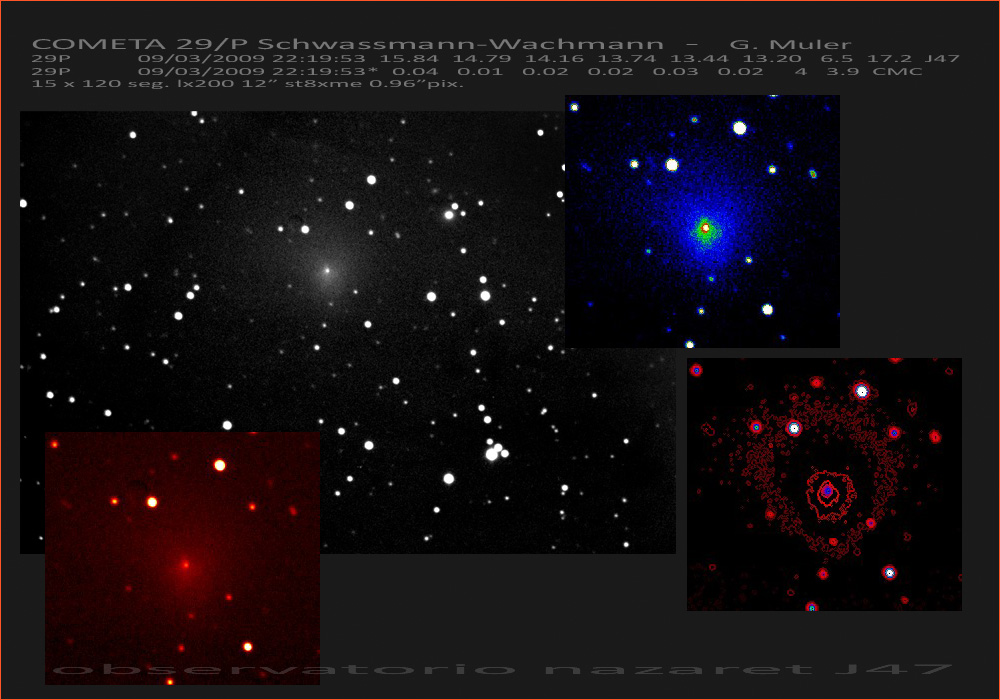
Early visual estimates put it at barely brighter than 10th magnitude, and on pictures C/2009 E1 (Itagaki) is mainly a compact fuzzball: It's orbit will bring it into perihelion in early April, wo it won't get much brighter. • Meanwhile for Lulin an analysis of perspective effects, a collection of pictures by one photographer spanning a long time and recent images of March 15 next to the Eskimo nebula, March 13 with an open star cluster (another picture), March 12 and March 11). From earlier times also a March 2 video, a long exposure from Feb. 25 (discussed here) and a Feb. 21 movie. • Regarding the 2007 mega-outburst of Holmes, there is a new paper (also here in PDF) discussing IR data. • The "curious coma-tail" of C/2007 Q3 (Siding-Spring). • And 29P on March 9. • Several meteorites from the Jan. 17 "Baltic" fireball have been found on the Danish island of Lolland.
In other news Venus is already near inferior conjunction and closing in on the Sun, with the slender crescent good for near-IR imaging of the glowing night side or just for pretty pictures, e.g. on March 13 or March 9, one doesn't need much equipment for that. • Another transit of Titan has been observed on Saturn from Eastern Asia. • Some ideas what to do during a total solar eclipse - and the one from 30 years ago in an live broadcast by ABC or in the news from CBS. • The Top 10 galaxies from the new Galacxy Zoo. • Another GLOBE at Night is on; see all the links in the 1st § of this article for advice. • Observations of Iridium 33 & Kosmos 2251 (the debris has begun reentering the atmosphere). • And an ISS streak over Slooh on Tenerife, the full moon of March 11 and Discovery, and a hi-res picture of a lunar crater.

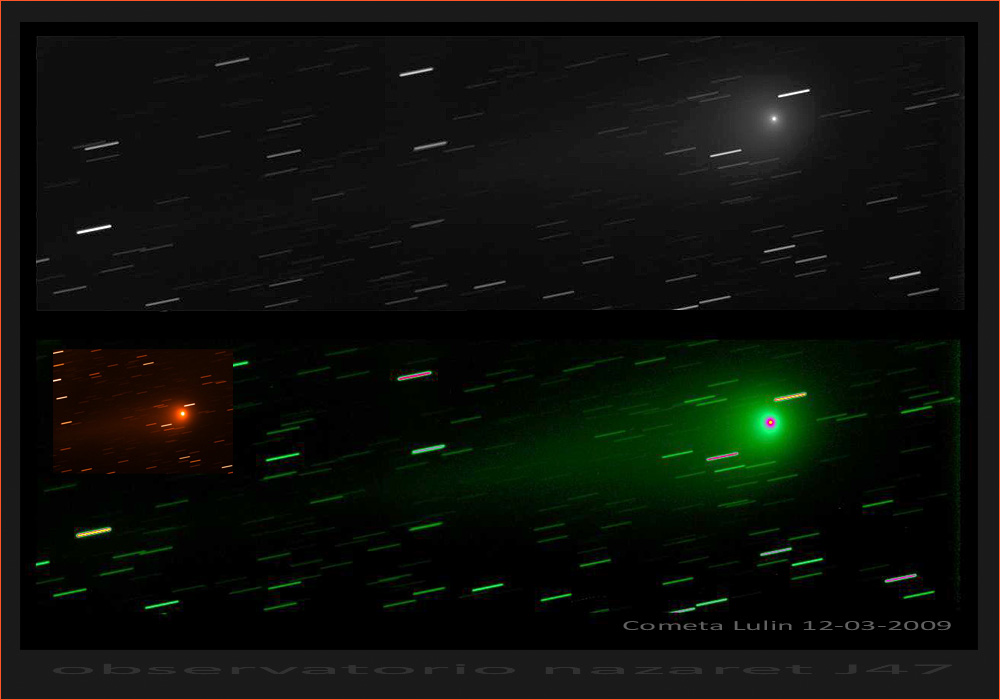
In other news Venus is already near inferior conjunction and closing in on the Sun, with the slender crescent good for near-IR imaging of the glowing night side or just for pretty pictures, e.g. on March 13 or March 9, one doesn't need much equipment for that. • Another transit of Titan has been observed on Saturn from Eastern Asia. • Some ideas what to do during a total solar eclipse - and the one from 30 years ago in an live broadcast by ABC or in the news from CBS. • The Top 10 galaxies from the new Galacxy Zoo. • Another GLOBE at Night is on; see all the links in the 1st § of this article for advice. • Observations of Iridium 33 & Kosmos 2251 (the debris has begun reentering the atmosphere). • And an ISS streak over Slooh on Tenerife, the full moon of March 11 and Discovery, and a hi-res picture of a lunar crater.

Sunday, March 8, 2009
Saturn in opposition as Venus grows into big, slender crescent
The main planetary action in the coming days and weeks takes place at dusk and at midnight: While Saturn is now in opposition to the Sun, Venus will almost suddenly disappear from the evening sky later this month, but as a slender crescent almost one arc minute in size. The opposition of Saturn may result in noticeably brighter rings, thanks to the opposition effect. You can find some of the best amateur pictures here, while here Pic du Midi's 1-m scope images (also hailed here) abound, including some unusual IR views. And here's another transit of Titan et al. Regarding Venus's grand finale in the evening, it was possible to catch the Moon and Venus as crescents in the same FOV. Again many great views are in the Japanese archive, including several successful detections of the nightside glowing in the IR like here. None of the results seem to match what was achieved in 2007, though, although many are trying hard (or just for for pretty pictures). The size of a telescope doesn't always matter, by the way, as an analysis of mutual events of Uranus's moons in 2007 shows (40 cm as good as 10 m). Talking of occultations, here's a recent Antares graze; the video gets better towards the end.
News with an impact (or 'almost'): While the launch of the LCROSS mission has slipped to NET May 20, preparings for observations of the impacts continue, with a discussion forum for observers now in place. • Did another meteorite fall in Finland? (Some info and a map.) • Here's a long story on meteorite hunting in Texas. • And at least 16 pieces of asteroid 2008 TC3 have already been recovered. • After its Earth visit on March 2 we've found out that NEA 2009 DD45 belongs to the S class, has thus a high albedo and small diameter of 19±4 meters; still in the closest approaches list the object (here's the last dedicated MPEC) figures prominently (on this one it's missing). There are a picture, movie and more movies - and lots of coverage in the old and new media such as here, here, here, here, here, here, here, here, here, here and here in English and here, here, here and here in German.
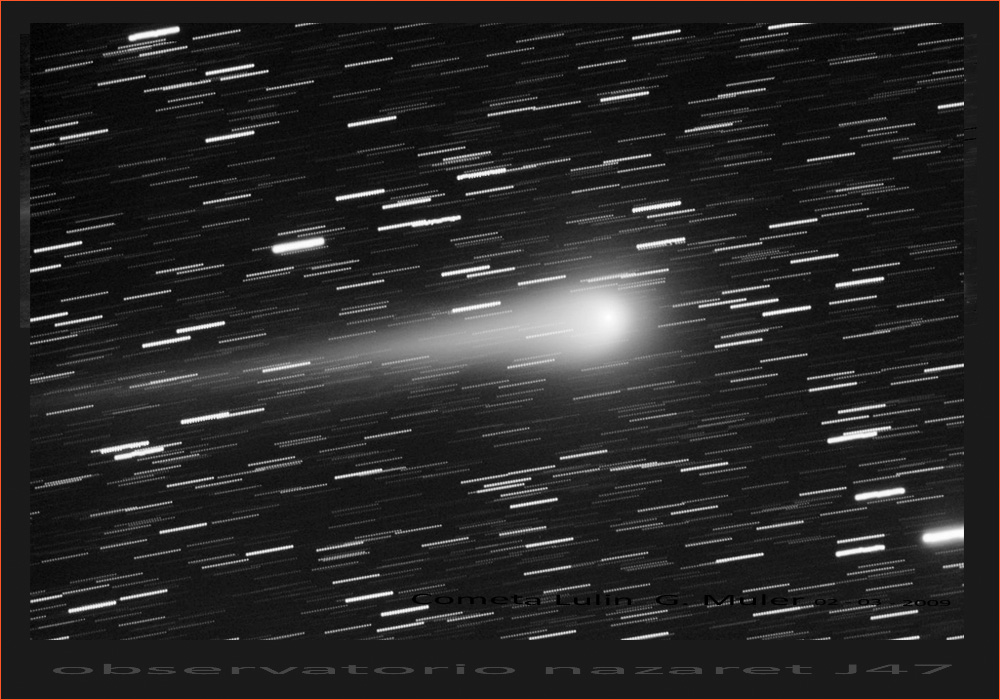
In other news the Lulin show went into a brief lunar hiatus, but there are a lot of afterthoughts and even new pictures: a nice multi-day mosaic, the light curve, excellent pictures from Southern France, a recorded webcast from Israel, a best of and thoughts and pictures by Lulin's discoverer. New pictures, videos and reports have come in from March 5/6 (with M44, plus a visual report), March 4/5, March 3/4 (more, more, more, an animation and a disappointment), March 2/3 (more), March 1/2 (more, more and even unguided), Feb. 28/Mar. 1 (more, also mentioned here, more, more, more, more, more and more) and Feb. 27/28. Older but cool pictures come from Feb. 25 from Oz and Italy and Feb. 23 as well as a movie from Feb. 22. • Meanwhile yet another outburst of comet Daniel (earlier), • a "comsat cloud" and • a review of a new camera. • And an Austrian amateur is making ample use of the robotic Slooh telescopes in February as well as March from Chile (earlier, still earlier) and Tenerife.
News with an impact (or 'almost'): While the launch of the LCROSS mission has slipped to NET May 20, preparings for observations of the impacts continue, with a discussion forum for observers now in place. • Did another meteorite fall in Finland? (Some info and a map.) • Here's a long story on meteorite hunting in Texas. • And at least 16 pieces of asteroid 2008 TC3 have already been recovered. • After its Earth visit on March 2 we've found out that NEA 2009 DD45 belongs to the S class, has thus a high albedo and small diameter of 19±4 meters; still in the closest approaches list the object (here's the last dedicated MPEC) figures prominently (on this one it's missing). There are a picture, movie and more movies - and lots of coverage in the old and new media such as here, here, here, here, here, here, here, here, here, here and here in English and here, here, here and here in German.

In other news the Lulin show went into a brief lunar hiatus, but there are a lot of afterthoughts and even new pictures: a nice multi-day mosaic, the light curve, excellent pictures from Southern France, a recorded webcast from Israel, a best of and thoughts and pictures by Lulin's discoverer. New pictures, videos and reports have come in from March 5/6 (with M44, plus a visual report), March 4/5, March 3/4 (more, more, more, an animation and a disappointment), March 2/3 (more), March 1/2 (more, more and even unguided), Feb. 28/Mar. 1 (more, also mentioned here, more, more, more, more, more and more) and Feb. 27/28. Older but cool pictures come from Feb. 25 from Oz and Italy and Feb. 23 as well as a movie from Feb. 22. • Meanwhile yet another outburst of comet Daniel (earlier), • a "comsat cloud" and • a review of a new camera. • And an Austrian amateur is making ample use of the robotic Slooh telescopes in February as well as March from Chile (earlier, still earlier) and Tenerife.


Sunday, March 1, 2009
Best window for Lulin closing - while Saturn rules March
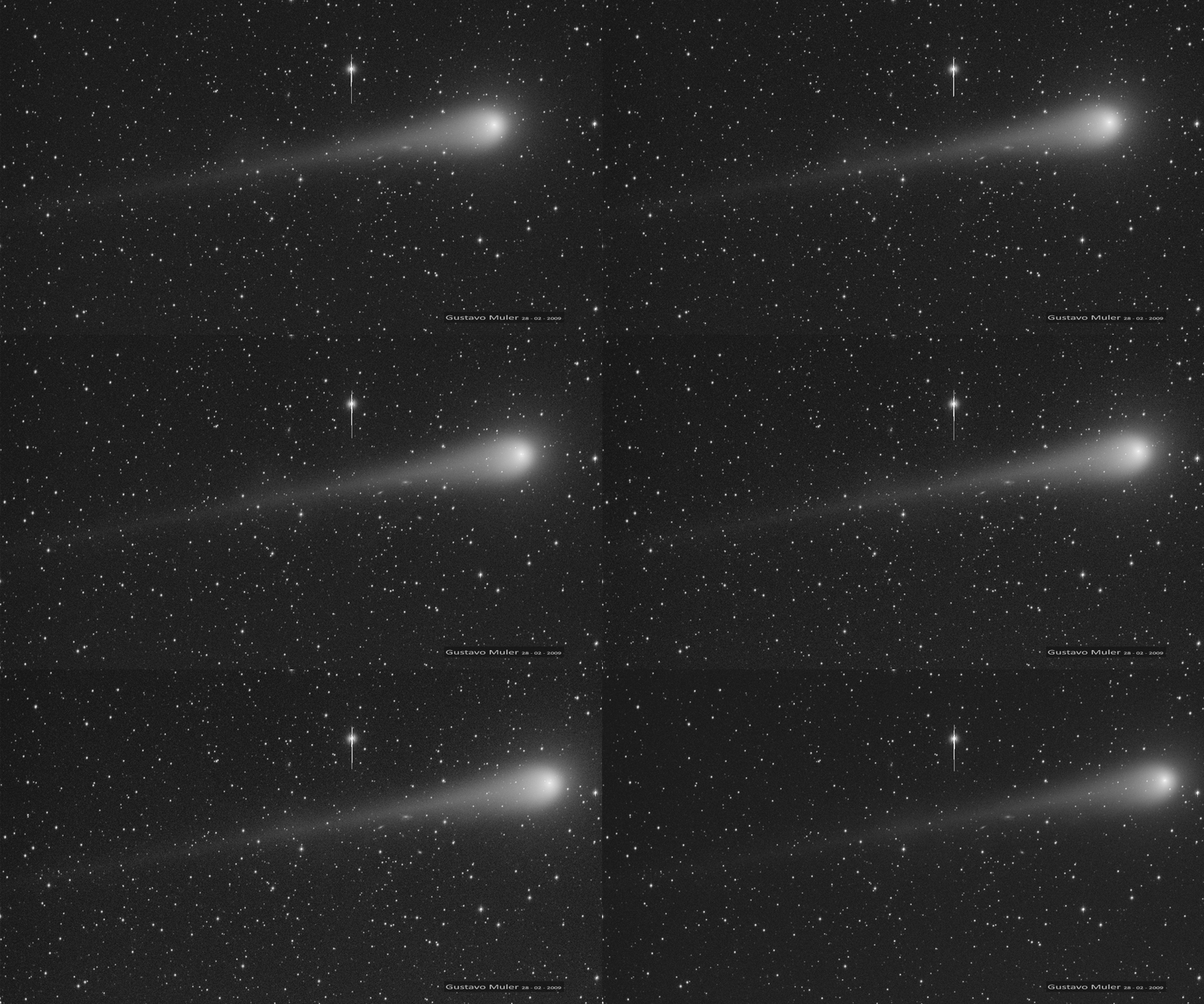
While never becoming an obvious naked-eye spectacular, comet Lulin was a pretty impressive binocular sight in the last third of February when it was closest to the Earth and the Moon was out of sight: This blogger cannot recall a case when a comet's dusty anti-tail had been visible so easily - and so long, several degrees - with little optical help. Even under bad conditions Lulin could be found. It was mainly astrophotographers, though, who could also catch the geometrically shortened but highly variable plasma tail: While not exactly a "textbook" comet (with the most obvious tail pointing in the 'wrong' direction), Lulin is certainly a unique case to remember. But now the Moon is rapidly creeping closer - and will actually occult the comet in less than a week. Some highlights of March, which will actually begin with a surprise visit!
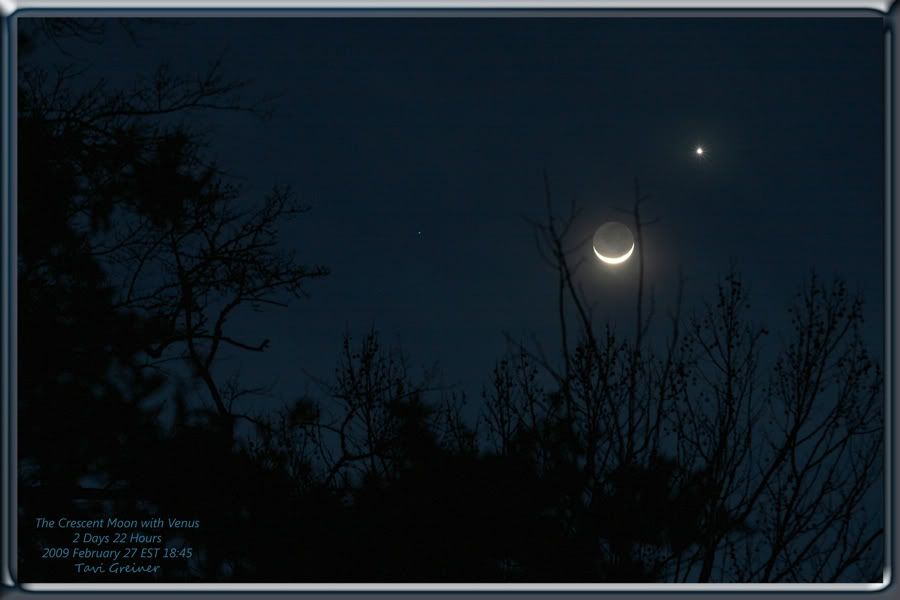
In other news there was again a nice conjunction of the Moon and Venus: pictures of Feb. 28 from Tenerife and India, Feb. 27 from the U.S. (more, more, more, more), Tenerife, India (more in the stream) and Australia (more pics) and Feb. 26 from Tenerife. • A few days earlier a "massing" in the (Southern) morning sky: pictures of Feb. 24, Feb. 23 (APOD; more) and Feb. 22. • A moonrise with omega effect had considerable media impact - and on the same day this blogger caught an omega sunset from Tenerife, after witnessing an omega sunrise in eclipse in 2006. • The weather prospects for the 2010 ASE, the aurora from Norway and the ISS over Puerto Rico. • And this blog was mentioned in a blog on the recovery of meteorites (also many earlier entries!) from the Texas fireball - soon eight were found by the various searchers. • And a meteorite related to the predicted Sudan bolide has been found!
- March 2 around 13:30 UTC: Newly discovered Near Earth Asteroid 2009 DD45 will pass only some 70,000 km from the center of the Earth, when the body of roughly 20 m diameter should briefly reach 10th magnitude.
- March 5: Lulin passes 2° from the open star cluster Messier 44, but the Moon is already a problem.
- March 7: Lulin is occulted by the Moon (which is almost full) in parts of the world.
- March 8: Saturn in opposition, +0.5 mag. in Leo.
- March 15: Lulin passes the Eskimo Nebula.
- March 16 to 28: Another GLOBE at Night event.
- March 20: Sun-Earth Day, mainly a U.S. event.
- March 22: Venus reaches extreme northern latitude, is evening and morning star; inferior conjunction on March 28.
- March 28: At 20:30 local time another Earth Hour in selected cities where the lights go out.
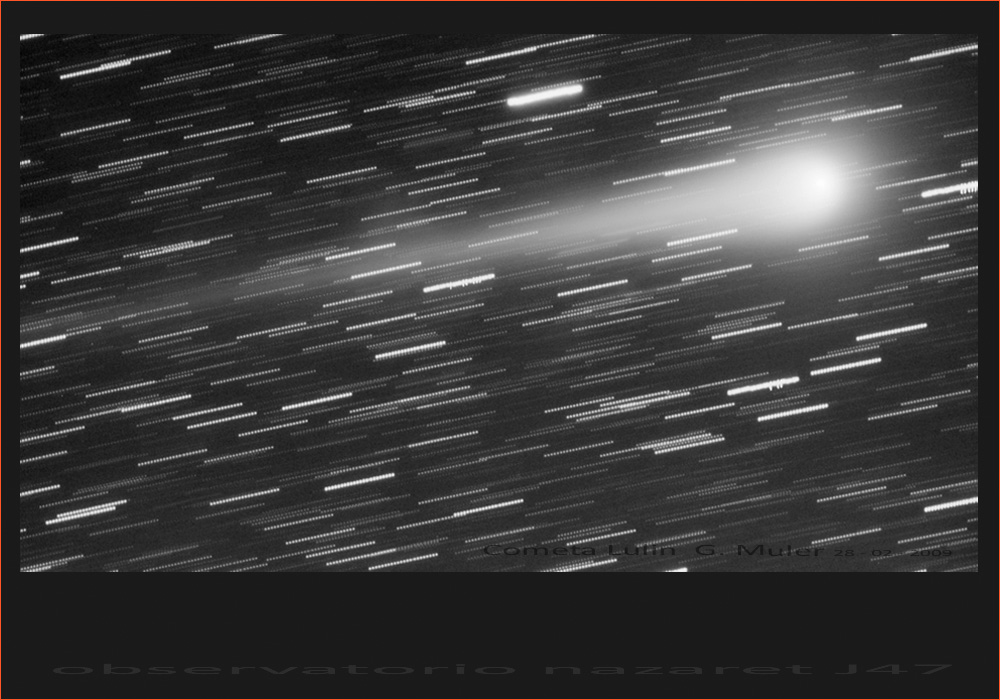


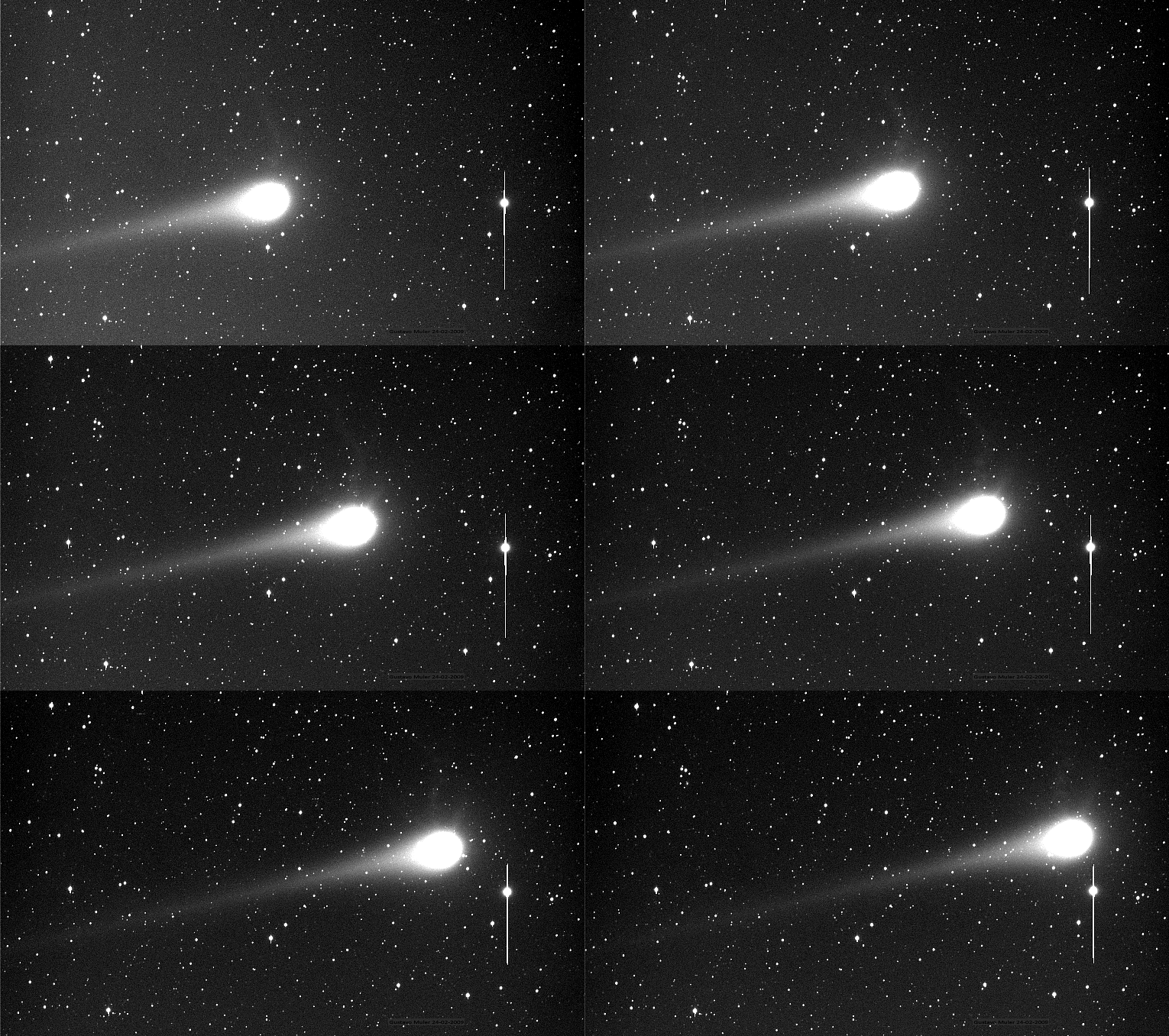
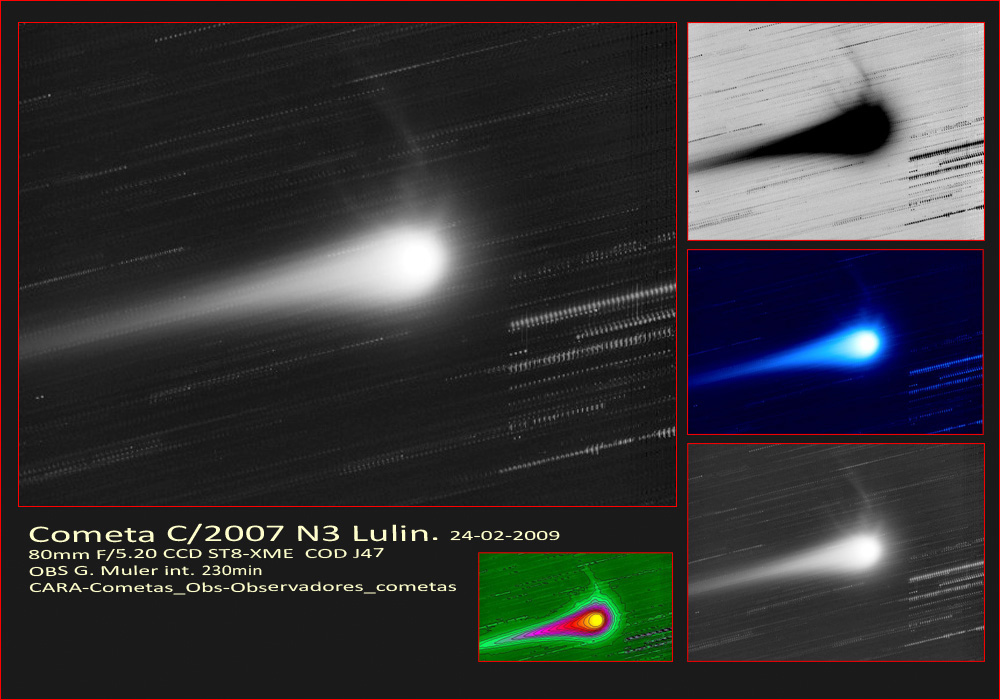
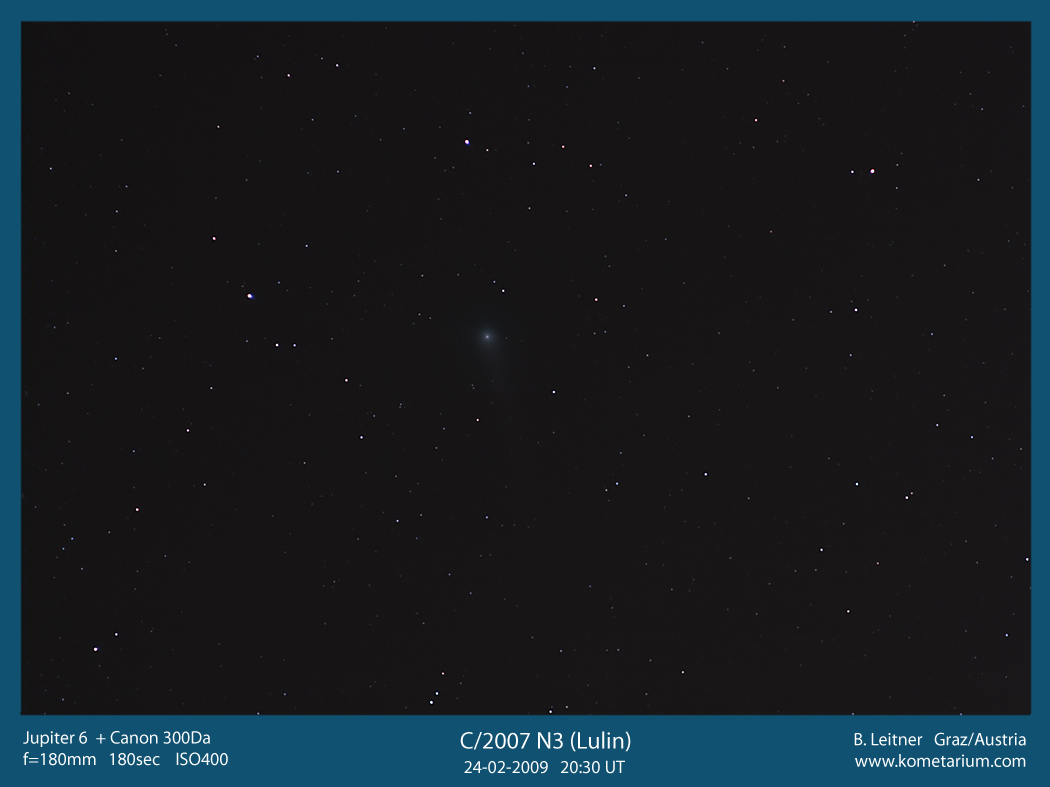
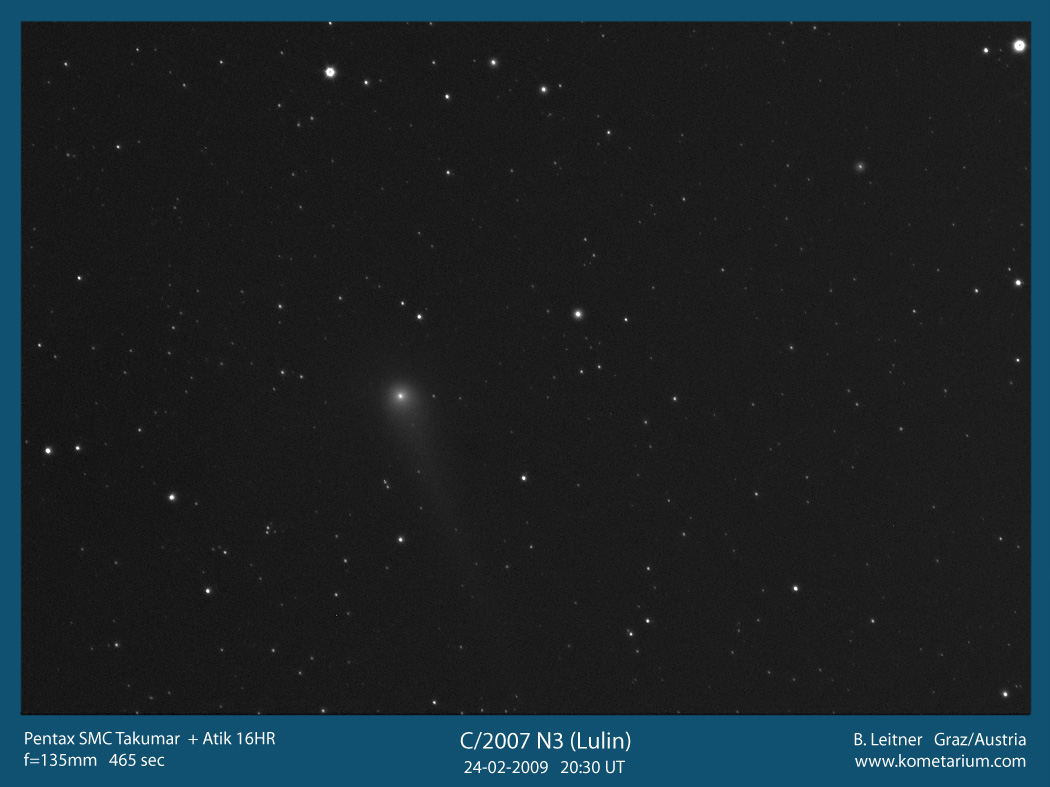
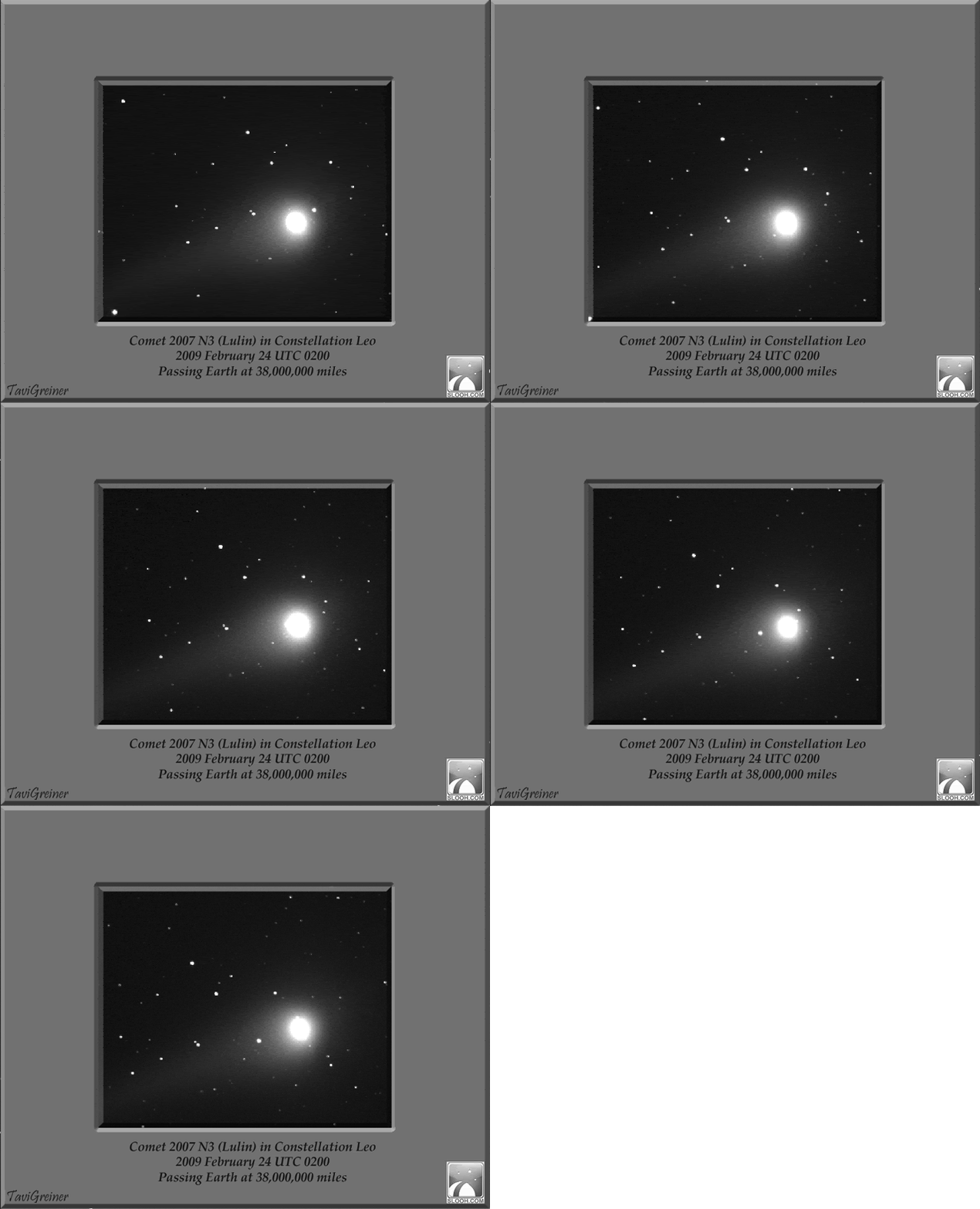


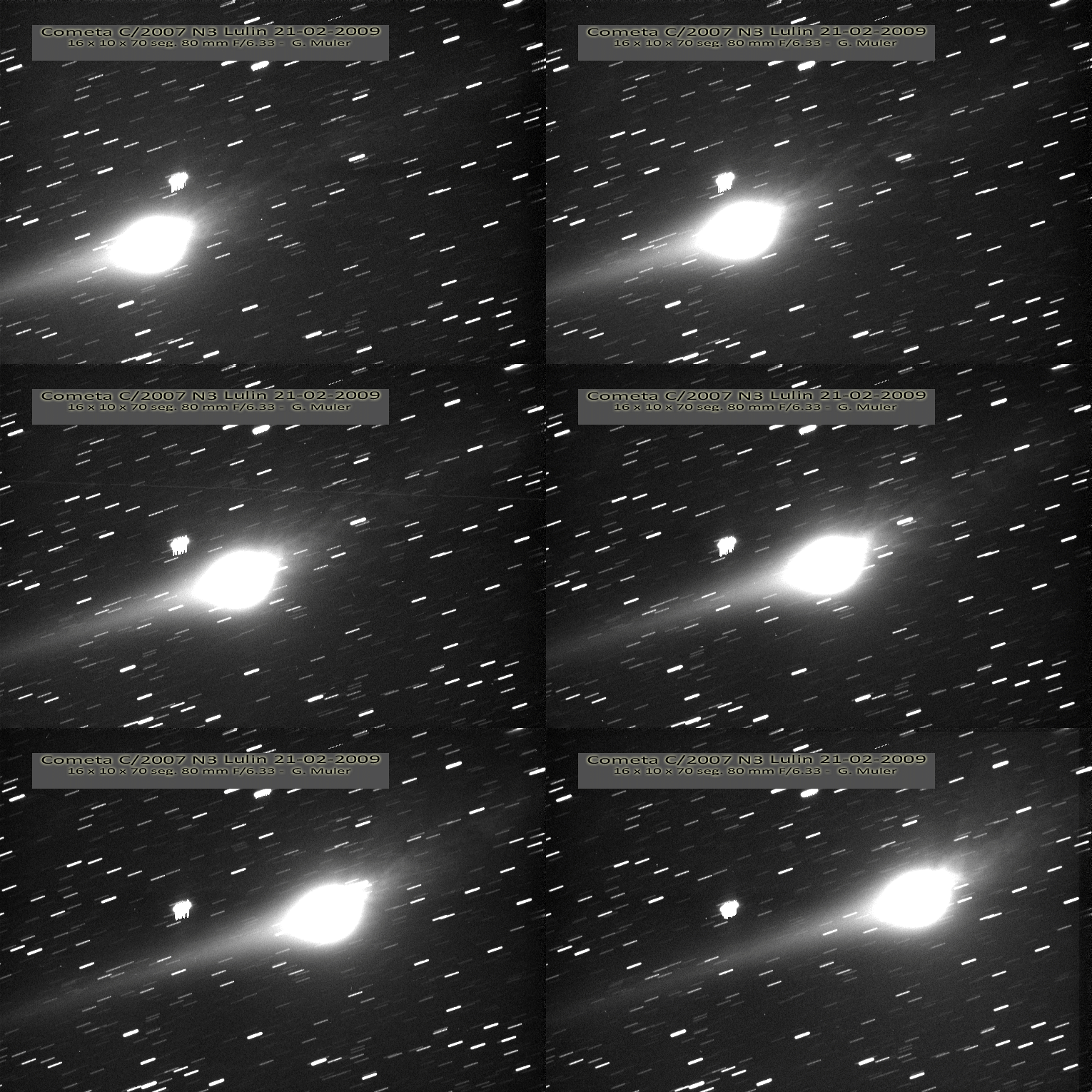


In other news there was again a nice conjunction of the Moon and Venus: pictures of Feb. 28 from Tenerife and India, Feb. 27 from the U.S. (more, more, more, more), Tenerife, India (more in the stream) and Australia (more pics) and Feb. 26 from Tenerife. • A few days earlier a "massing" in the (Southern) morning sky: pictures of Feb. 24, Feb. 23 (APOD; more) and Feb. 22. • A moonrise with omega effect had considerable media impact - and on the same day this blogger caught an omega sunset from Tenerife, after witnessing an omega sunrise in eclipse in 2006. • The weather prospects for the 2010 ASE, the aurora from Norway and the ISS over Puerto Rico. • And this blog was mentioned in a blog on the recovery of meteorites (also many earlier entries!) from the Texas fireball - soon eight were found by the various searchers. • And a meteorite related to the predicted Sudan bolide has been found!

Thursday, February 19, 2009
Texas fireball leads to meteorite finds, other side effects
Several meteorites - one specimen already identified as a chondrite - have been recovered a few days after a spectacular daylight fireball was seen over Texas on February 15th. (Minutes after the event interesting radar echos had been detected high in the atmosphere, with the physical explanation less clear; there is also a report of a persistent smoke trail.) So this is an astronomy/planetary science story now - but it hadn't always been that way: While astronomically minded folks looking at the video of the fireball (also here from this source as well as here and here and on YouTube numerous times) immediately concluded that it had to be a meteor and not a satellite reentry, seemingly official claims that the sky show that something to do with the satellite collision five days earlier had momentarily confused even those who somehow knew it couldn't be - let alone the mass media often consulting the wrong 'experts'.
Even the New York Times spoke of a "mystery" with the "origin unknown" over a day after everything was clear! And Space.com carried only the wrong story for two days before having an update. The Texas fireball/meteorite dropper was thus also an interesting social study - and for the first hours it seems to have played out mainly on Twitter where it all started with this "news" tweet. Soon the story was all over the place, with a disturbing lack of "normal" news coverage - which followed eventually. News of what it really was had a hard time to percolate through the 'hive mind', though, and a day later "mystery" tales dominated the feeds.
Here's a sampling of the bewildered news stories to which a strange weather advisory and a mysterious NOTAM as well as a short-lived reentry scare in Canada certainly contributed, in roughly chronological order of their first publication (often they were then updated several times): AP, KEYE, WacoTrib, Fox, CNN, Houston Chr., My San Antonio, Dallas News, Star Telegram, Statesman and Bild, an iReport (using a file picture for illustration) and some other blog coverage (also here and here, where a blogger/reporter actually plotted the trajectory of the fireball). • Interestingly the Texas fireball was not the only one making news: Two days earlier there had been cases in Kentucky (more and an article) and Italy (the picture). • The first papers on the fresh Canadian meteorites of last year are out. • And a pioneer of NEO research has died already in January.
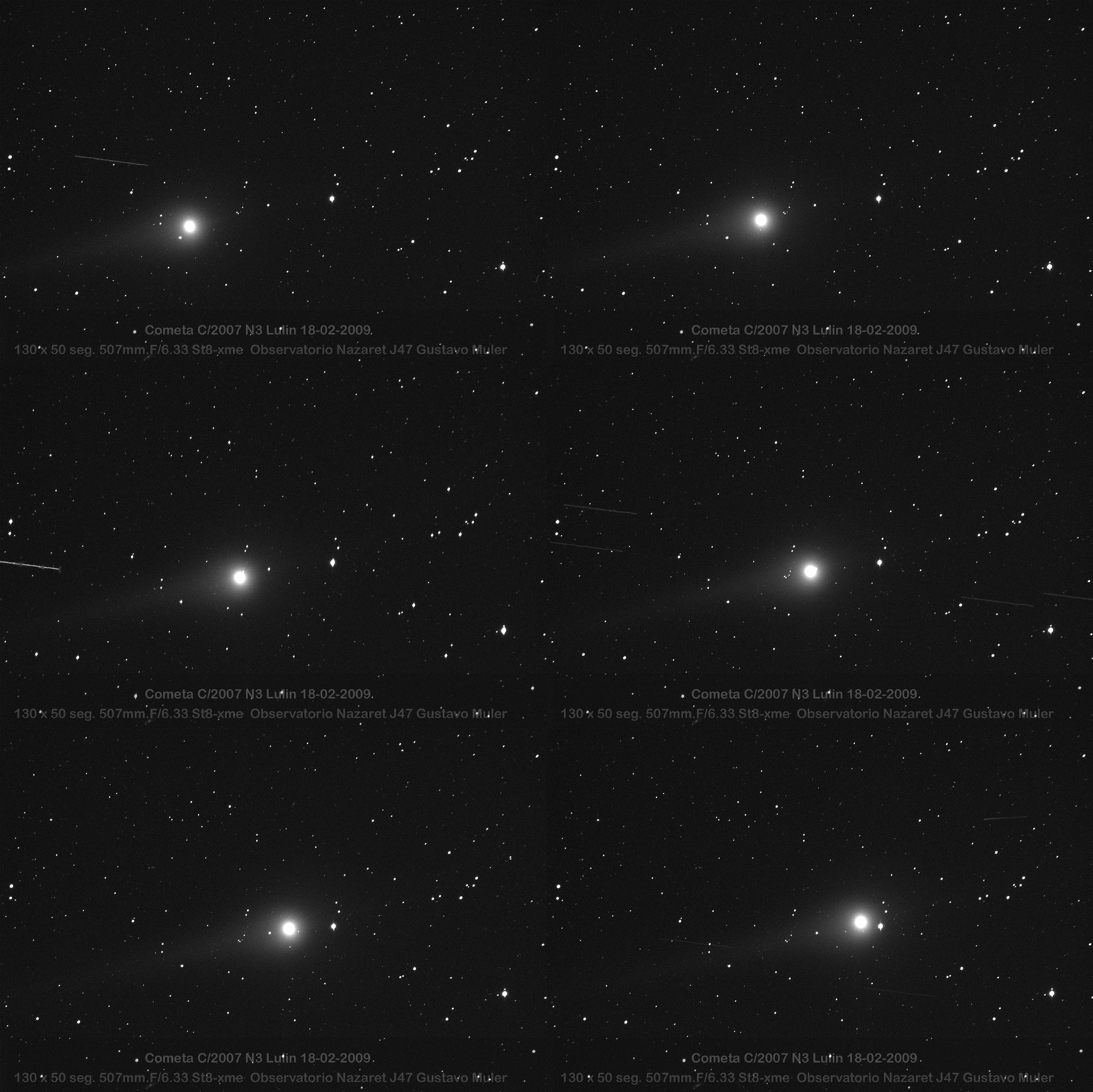
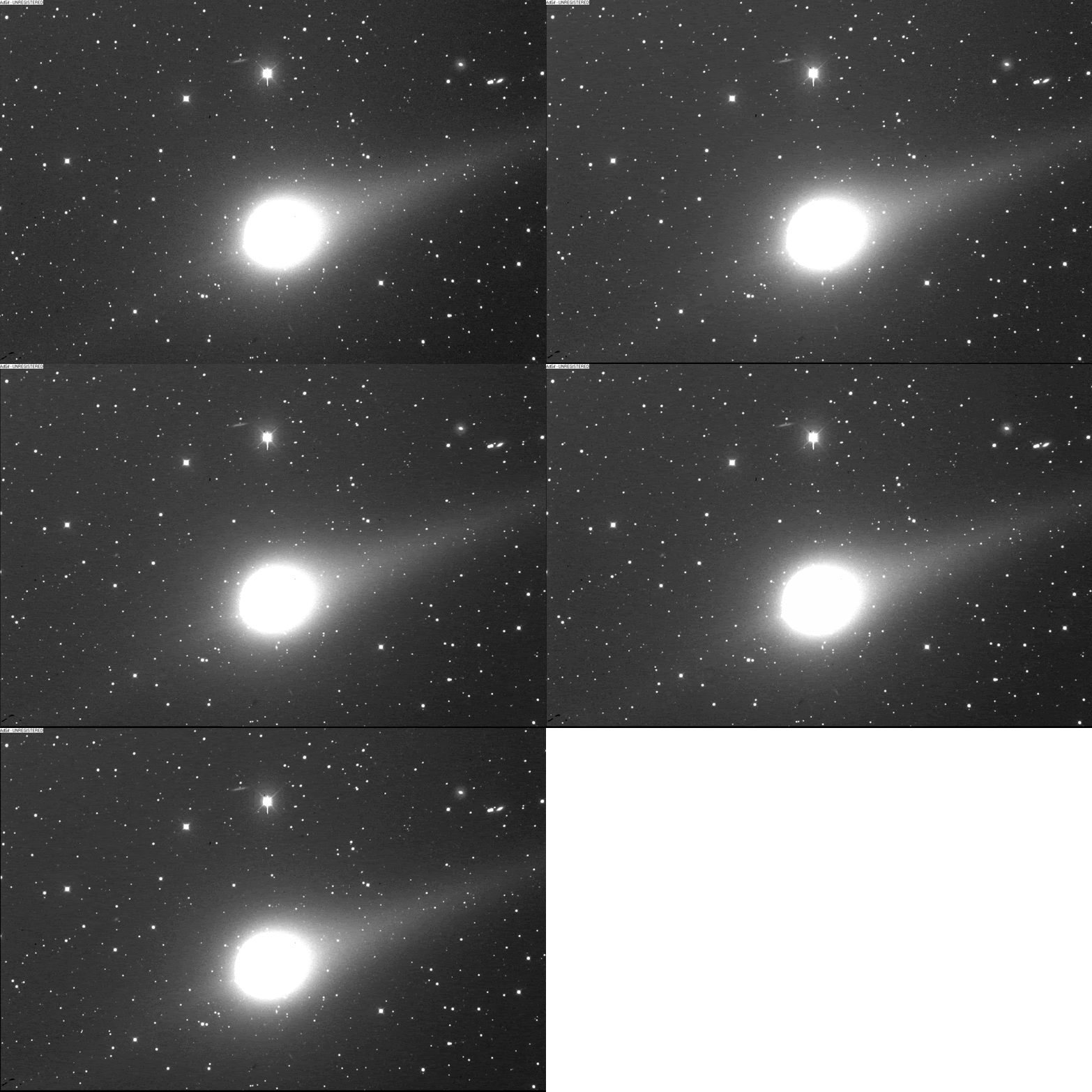
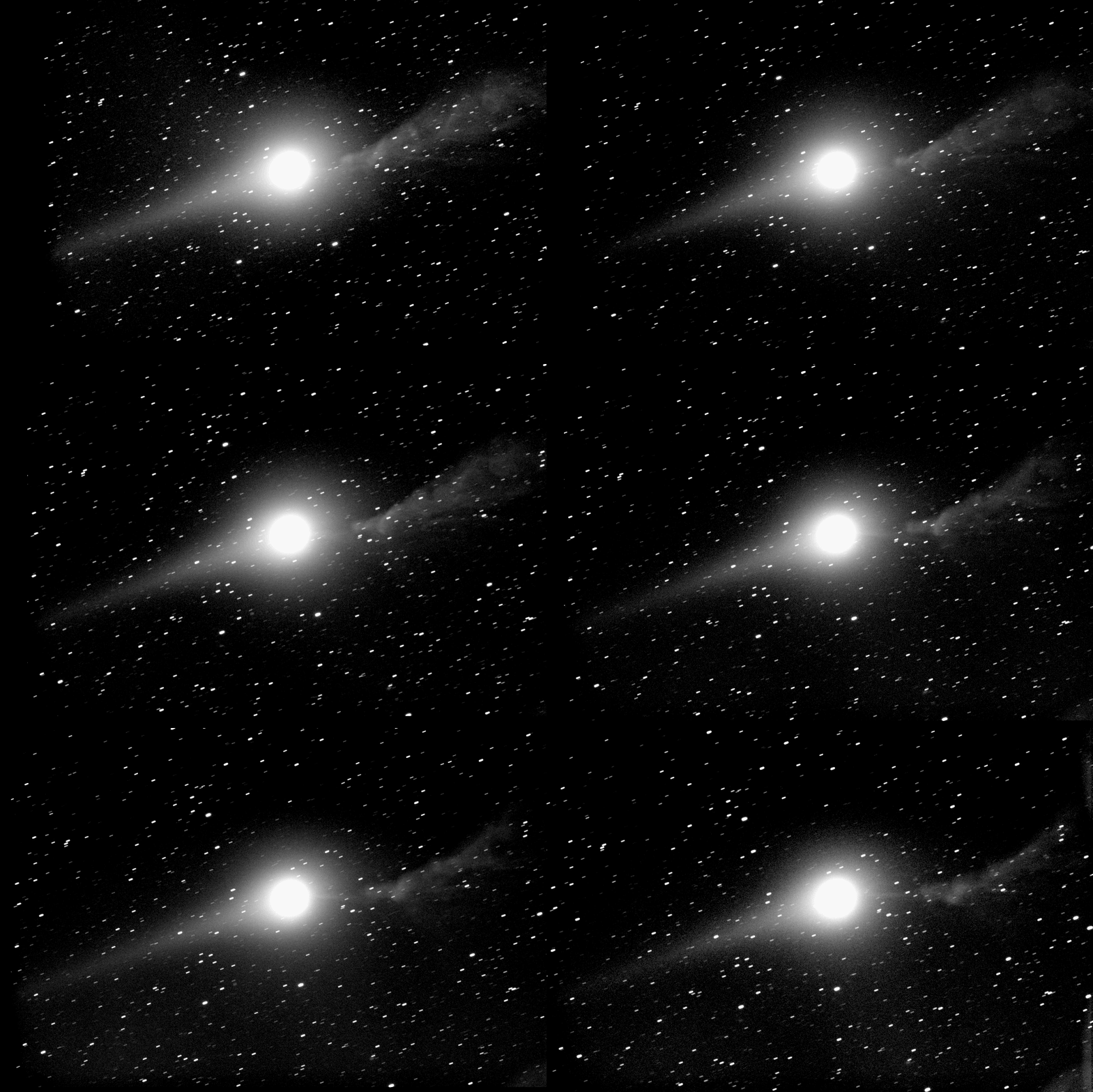
In other news the best viewing window for comet Lulin has begun: observations of Feb. 19 (more and also about a coma asymmetry), Feb. 18 (more), Feb. 17 (a spectacular animation from this site; also Slooh pictures first reported here), Feb. 16 (more; the comet was estimated at 5.3 mag. that day) and Feb. 15 (before that day the Moon was too bright and close), various observing reports, pictures on Flickr and many articles (more, more, more, more and more) plus a weird reaction by Lulin's discoverer ... • Comet 33P/Daniel underwent a small outburst and looked like this, but it's over. • Here is an impressive movie of the last penumbral lunar eclipse as seen from lunar orbit when the Earth rose with the Sun just emerging behind it!
• The more south you are the better these days: Today there was a Mercury/Mars/Jupiter trio visible in the morning sky from Oz where the new Jupiter season is beginning and one can see five planets during the night. • Saturn will experience a quadruple satellite transit on Feb. 24. • And Venus is brighter than ever and frequent UFO trigger now. • Did something strange happen to RX Lyrae last year as this picture may show? • CV V630 Cas may be acting up. • The 2nd Galaxy Zoo has been launched, with reports here, here, here, here, here and here. • Astrometry.net on Flickr is making news. • A 150° star trail panorama from India, a Milky Way panorama from Mauna Kea, the zodiacal light from Tenerife, the coolest-looking observatories on Earth - and this blog and the related Twitter feed being hailed in the context of the Texas fireball, als is the Twitter feed here!
Even the New York Times spoke of a "mystery" with the "origin unknown" over a day after everything was clear! And Space.com carried only the wrong story for two days before having an update. The Texas fireball/meteorite dropper was thus also an interesting social study - and for the first hours it seems to have played out mainly on Twitter where it all started with this "news" tweet. Soon the story was all over the place, with a disturbing lack of "normal" news coverage - which followed eventually. News of what it really was had a hard time to percolate through the 'hive mind', though, and a day later "mystery" tales dominated the feeds.
Here's a sampling of the bewildered news stories to which a strange weather advisory and a mysterious NOTAM as well as a short-lived reentry scare in Canada certainly contributed, in roughly chronological order of their first publication (often they were then updated several times): AP, KEYE, WacoTrib, Fox, CNN, Houston Chr., My San Antonio, Dallas News, Star Telegram, Statesman and Bild, an iReport (using a file picture for illustration) and some other blog coverage (also here and here, where a blogger/reporter actually plotted the trajectory of the fireball). • Interestingly the Texas fireball was not the only one making news: Two days earlier there had been cases in Kentucky (more and an article) and Italy (the picture). • The first papers on the fresh Canadian meteorites of last year are out. • And a pioneer of NEO research has died already in January.

In other news the best viewing window for comet Lulin has begun: observations of Feb. 19 (more and also about a coma asymmetry), Feb. 18 (more), Feb. 17 (a spectacular animation from this site; also Slooh pictures first reported here), Feb. 16 (more; the comet was estimated at 5.3 mag. that day) and Feb. 15 (before that day the Moon was too bright and close), various observing reports, pictures on Flickr and many articles (more, more, more, more and more) plus a weird reaction by Lulin's discoverer ... • Comet 33P/Daniel underwent a small outburst and looked like this, but it's over. • Here is an impressive movie of the last penumbral lunar eclipse as seen from lunar orbit when the Earth rose with the Sun just emerging behind it!

• The more south you are the better these days: Today there was a Mercury/Mars/Jupiter trio visible in the morning sky from Oz where the new Jupiter season is beginning and one can see five planets during the night. • Saturn will experience a quadruple satellite transit on Feb. 24. • And Venus is brighter than ever and frequent UFO trigger now. • Did something strange happen to RX Lyrae last year as this picture may show? • CV V630 Cas may be acting up. • The 2nd Galaxy Zoo has been launched, with reports here, here, here, here, here and here. • Astrometry.net on Flickr is making news. • A 150° star trail panorama from India, a Milky Way panorama from Mauna Kea, the zodiacal light from Tenerife, the coolest-looking observatories on Earth - and this blog and the related Twitter feed being hailed in the context of the Texas fireball, als is the Twitter feed here!
Subscribe to:
Posts (Atom)